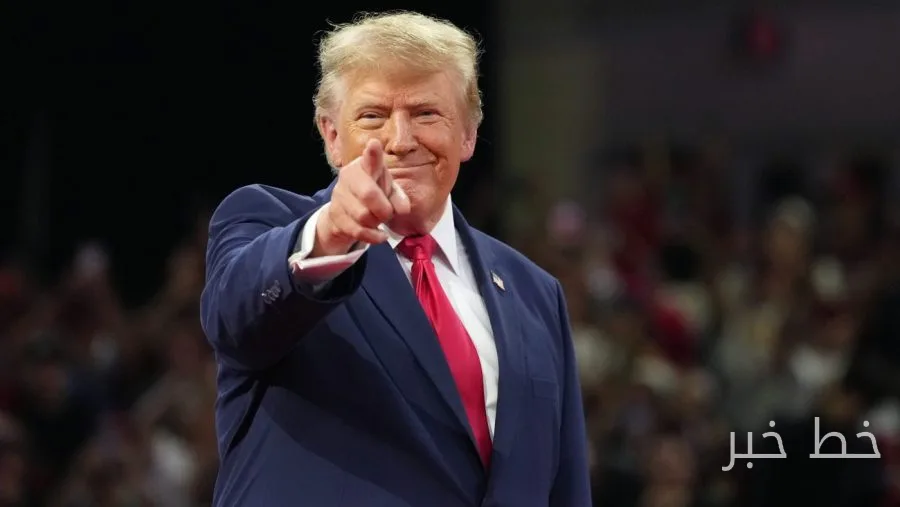
Donald Trump, the former President of the United States, sharply criticized Senator Lisa Murkowski (Republican-Alaska) and the Alaska electoral voting system on Saturday. In a statement, he called Murkowski the "worst Republican senator" and criticized her performance in the Senate.
Trump's Criticism of Senator Murkowski
During a speech at a rally in Alaska, Trump explicitly attacked Murkowski, stating: "She is in no way a true representative of Alaska, and her performance is shameful for the people of this state." This criticism comes as Murkowski has faced significant backlash for her support of some Democratic policies and opposition to Trump in the previous election.
Criticism of the Alaska Electoral Voting System
Trump also criticized the new Alaska electoral voting system, describing it as inefficient and unfair. He said: "This voting system is designed to benefit Democrats and makes it difficult for Republicans to win elections properly." According to him, this type of voting not only helps Democrats but also confuses voters.
Trump's criticisms of Murkowski and the Alaska voting system come as he seeks to bolster support for Republican candidates in the upcoming elections. He emphasized that Republicans must unite to change the current situation and improve political conditions in Alaska.
Trump further added: "We need to elect senators who truly represent the people of Alaska and care about the interests of this state. This is the only way to restore power to Republicans and improve the situation for the people of Alaska."
Consequences of Trump's Criticism
Trump's criticisms could have significant implications for Murkowski's political future and the upcoming elections in Alaska. Many analysts believe that such attacks could lead to a decrease in Murkowski's popularity and an increase in support for other Republican candidates in the state.
Moreover, his criticisms of the voting system may draw more attention to this issue and spark heated discussions about electoral reforms in Alaska. Overall, these developments could have profound effects on the political landscape in the state and the future of Republicans.