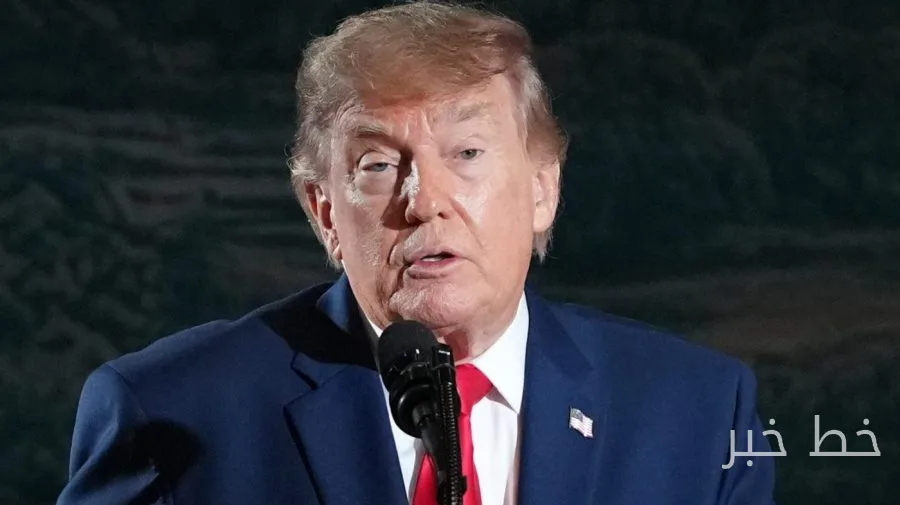
Donald Trump, the President of the United States, is facing a 32 percent approval rating in recent polls. This approval rating is near one of the lowest levels of his presidency and has remained steady in four consecutive polls released since last month.
Analysis of the Current Situation
As Trump attempts to navigate the political and economic challenges ahead, his approval rating reflects widespread dissatisfaction among voters. This discontent may stem from economic issues, domestic and foreign policies, as well as social challenges that have arisen during his presidency.
Read more: Andy Burnham Called Britain's Exit from the European Union Detrimental
Political Implications
A low approval rating could have significant impacts on Trump's political future and the Republican Party. Party representatives, who will need to defend their voter support in next year's midterm elections, may feel pressured to distance themselves from Trump's policies or make changes to their approach. Additionally, this approval rating may affect Trump's campaign strategies in the 2024 presidential election.
Given that Trump is still considered one of the leading figures in the Republican Party, his low approval rating could negatively impact party unity. Some party members may wish to introduce alternative options for party leadership, while others will continue to support Trump.
Overall, Trump's low approval rating signifies serious challenges that he and the Republican Party are facing and could lead to major changes in future policies.
Read more: Stephen Walt Considered the U.S.-Israel War Against Iran the End of Foreign Powers' Intervention · Scott DesJarlais Surrendered to Democrat Victoria Broderick in Tennessee House Election