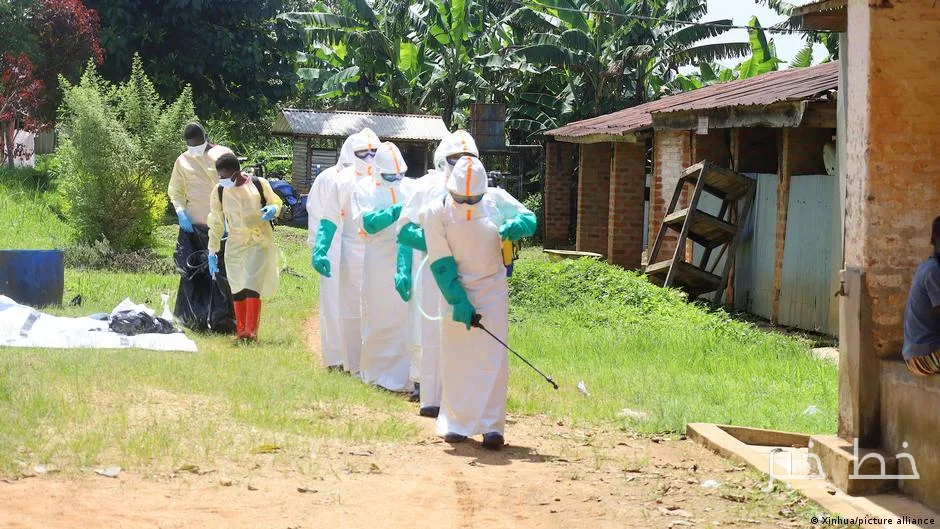
The Ebola outbreak in the Democratic Republic of the Congo was officially declared on May 15 due to the Bundibugyo strain. However, it appears that the first infections occurred well before this date.
Delay in Response
The exact way this epidemic started is still under discussion, but Congolese officials have not responded well to this crisis, and several international organizations have criticized the delay in the initial response. Congo has extensive experience in dealing with crises and has been praised in the past for its skills in fighting Ebola.
Read more: The impact of nighttime light on heart changes: Interesting facts you should know
Initial Evidence of Outbreak
According to data from the World Health Organization, the first known case of Ebola, upon review, was a health worker from the Mangbwala area in Ituri Province, northeastern Congo. This individual exhibited distinct symptoms of Ebola on April 24 or 25 and died at a medical center in Bunia, the capital of Ituri. So far, 80 percent of Ebola cases have been reported in this province.
The World Health Organization was informed of the existence of a "high-mortality unknown disease" in the Mangbwala area on May 5 and issued its first alert. Ten days later, the Congolese government declared the Ebola outbreak. Tests conducted by the National Institute of Biomedical Research in Kinshasa confirmed the presence of the rare Bundibugyo strain of Ebola.
Concerning Reports
The Africa Centers for Disease Control and Prevention also raised concerns about the speed of Congo's response. About three weeks elapsed between the onset of symptoms in the suspected case and laboratory confirmation, while the deceased was a health worker. This delay indicated a low level of clinical suspicion among local health service providers, which allowed for further geographical spread before containment efforts began.
Reports from residents of Mangbwala indicate that suspicious deaths were reported in late April. The deaths occurred after high fevers and symptoms similar to Ebola. Additionally, reports from the Red Cross on May 16 indicate that there has been widespread fear in the Mangbwala area since March 30 due to a series of deaths.
Based on conducted investigations, it is likely that Ebola has been spreading since the beginning of this year. Recent surveys also suggest that the outbreak may have started as early as February.
Read more: Investigations into the deaths of infants in the UK neonatal unit lead to reforms · Can today's generation live to 150? A conversation with David Sinclair and others