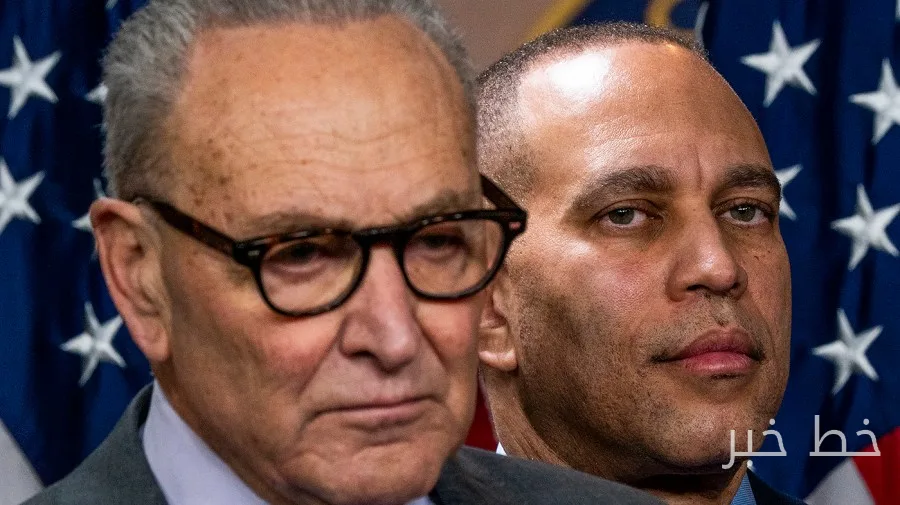
Electoral competitions in key states for gubernatorial and Senate positions may be influenced by split-ticket voters. This type of voting has decreased in recent years, and analyses show that there is an average gap of more than 6 percent between Senate voters and other positions. This situation could have a significant impact on the final outcome of the elections.
Analysis of the Impact of Split-Ticket Voting on Elections
In recent years, split-ticket voters have become increasingly rare. This type of voting means selecting different candidates from different parties for various positions. For example, a voter may vote for a Democratic candidate for Senate and a Republican candidate for governor. This trend, especially in key states, can affect control of legislative assemblies and Congress.
Current Situation and Predictions
Predictions indicate that in the upcoming elections, the gap between Senate voters and other positions will exceed 6 percent. This means that in key states, voters may make different decisions, which could benefit one party or another. Republicans are looking to maintain control over both positions, which makes them pay special attention to split-ticket voters.
The final conclusion is that split-ticket voters can influence the final outcome of the elections. Given the current situation and predictions, these voters may make decisions that affect how policies and laws are shaped in key states.