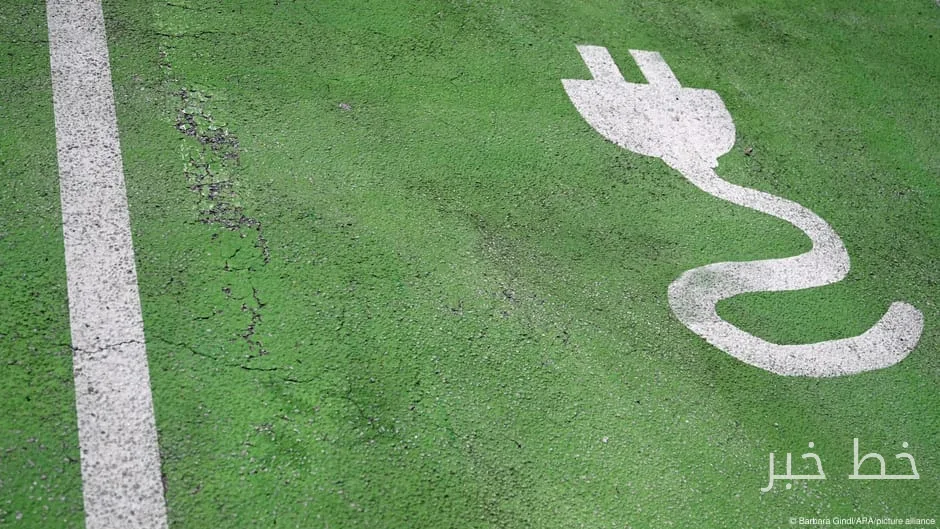
Electrification is not just a trendy word; it is a tool that can reduce energy costs and decrease the world's dependence on fossil fuels. This change signifies a significant reduction in carbon dioxide emissions, which are associated with flooding and extreme heat, and can help improve air quality and mitigate global warming.
Economic Impacts of Electrification
Fuel-importing countries can accelerate their electrification processes to reduce their energy import costs by over $400 billion by 2035 compared to 2025. This analysis shows that speeding up this process could reduce the global demand for 18 million barrels of oil per day. In fact, electrification means replacing fossil fuel technologies like diesel vehicles with electric vehicles (EVs) and using heat pumps instead of gas heating.
Challenges of Electrification
However, how electricity is produced also matters. For example, an electric vehicle that draws power from a heavily coal-dependent grid may be environmentally worse than a gas vehicle. In contrast, electricity generated from renewable energy sources like solar, wind, or hydro produces clean energy.
The electric vehicle market is rapidly growing, and it is expected that by 2025, a quarter of sold vehicles will be electric. However, electricity only covers about 20% of final energy use in the global economy, and to prevent a sharp temperature rise, it must supply more than half of all required energy by 2050.
Some industries and activities, such as petrochemicals and steel production, which use fossil fuels as raw materials, make electrification more challenging. For this reason, the World Resources Institute suggests using hydrogen, synthetic fuels, or other low-carbon options for harder-to-electrify industries.
Electrification, in addition to reducing greenhouse gas emissions, is more efficient and cheaper in the long run. Electric motors convert about 80% of electrical energy into motion, while internal combustion engines convert only about 20% of fuel energy into motion.
Given the increasing demand for electricity due to the rapid expansion of artificial intelligence and data centers, power grids need to be rapidly improved. According to the International Energy Agency, annual investment in grids must increase by about 50% by 2030.
Ultimately, experts believe we need smart grids that support bidirectional electricity flow while being safe and sustainable to adapt to higher electrification demands.
Read more: OpenAI introduces data centers as 'computing camps' · List of 100 influential leaders in climate change 2026 released