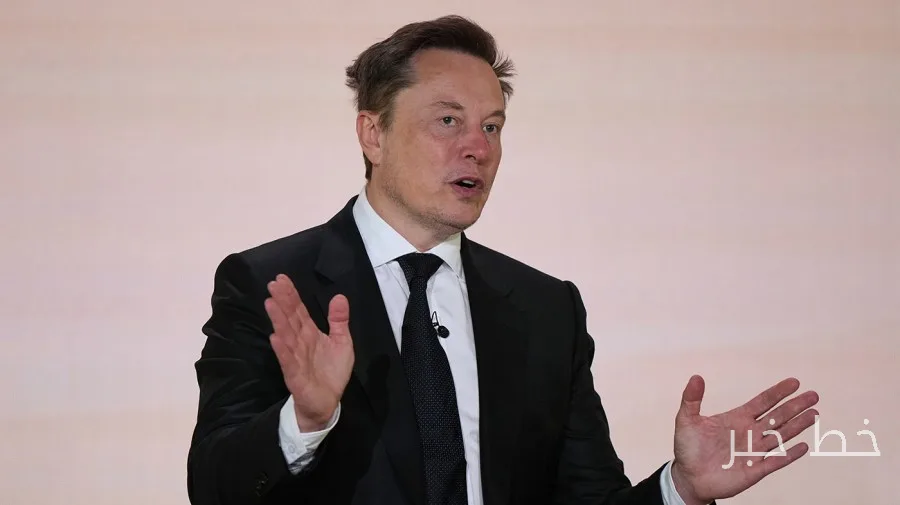
Elon Musk and his company, SpaceX, have attracted significant attention following a recent controversy regarding Ukraine's access to the Starlink network and its military version, Starshield. This issue has become a challenge for Musk and demonstrates his considerable influence in the international arena.
Beginning of the Starlink Crisis
After about 10 days of ambiguity and finger-pointing regarding the reasons for the slowdown of Starlink in Ukraine, Musk finally confirmed that the restrictions were imposed by his company. This action has raised many concerns in Ukraine, especially among the country's military forces, who are heavily reliant on this internet service.
Read more: Greg Stanton: China is six months behind the US in AI development
Consequences of Musk's Decisions
The establishment of these restrictions has not only affected the battlefield conditions in Ukraine but has also raised questions about Musk's role in global policies and his ability to control key technologies. Many analysts believe that this situation could serve as a wake-up call for other countries to reconsider their dependence on private tech companies.
While Ukraine relies on Starlink to meet its military needs, the restrictions imposed by SpaceX could have serious implications for the operational capabilities of this country. Meanwhile, Musk, as a key figure in the tech world, has repeatedly emphasized his abilities to manage global crises.
Future Outlook
Given that Musk and SpaceX are currently in the spotlight, this situation could lead to new developments in global policies. Countless questions have arisen regarding the future of international collaborations and the role of private companies in meeting countries' critical needs. Can other countries easily depend on the services of such companies, or should they seek alternative solutions?
Read more: Mark Carney considers $1.6 billion investment in AI as national security · Russian drone attack on central Ukraine railway station leaves 14 dead