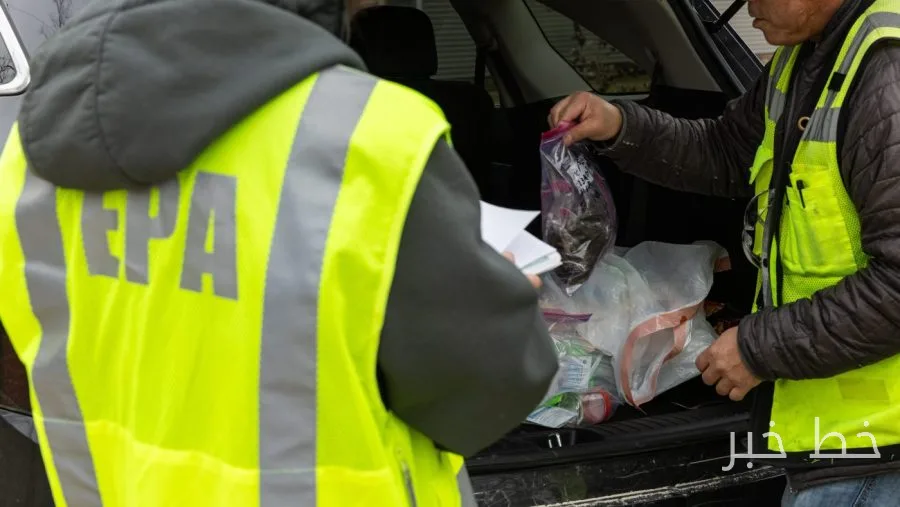
The Environmental Protection Agency (EPA) announced on Thursday that no airborne lead has been detected in the area of Iowa following the Army's controlled explosion. This explosion, which involved thousands of pounds of unstable explosives, has raised concerns about environmental contamination, but further test results are still under review.
Details of the Army's Controlled Explosion
The Army's controlled explosion in southeastern Iowa was conducted to eliminate unstable explosives. This operation aimed to reduce the risks associated with storing these materials in a residential area. However, this action has led to widespread concerns about air pollution and its potential effects on the health of local residents.
Attention to Environmental Testing
According to Lee Zeldin, the director of the Environmental Protection Agency, over 300 employees and contractors from the agency are currently monitoring the air quality in the area. Zeldin also noted that the results of environmental tests are still being processed and are expected to be released soon. These tests include air and soil sampling to ensure that no hazardous contamination remains from the explosion.
Following this news, local residents expressed concerns and called for greater transparency regarding the health and safety status of the area. This has led to requests for public meetings and more comprehensive information from officials.
Potential Consequences
Although the Environmental Protection Agency has stated that no airborne lead has been detected so far, this operation and its results could have long-term consequences for local residents and the environment. Many experts believe that more precautionary measures should be taken to prevent potential contamination and that educational programs should be provided for residents regarding health and safety.
Overall, this issue highlights the importance of monitoring military operations in residential areas and considering their environmental consequences. With final results of environmental tests still not released, the local community continues to await more accurate information about their air quality health status.



