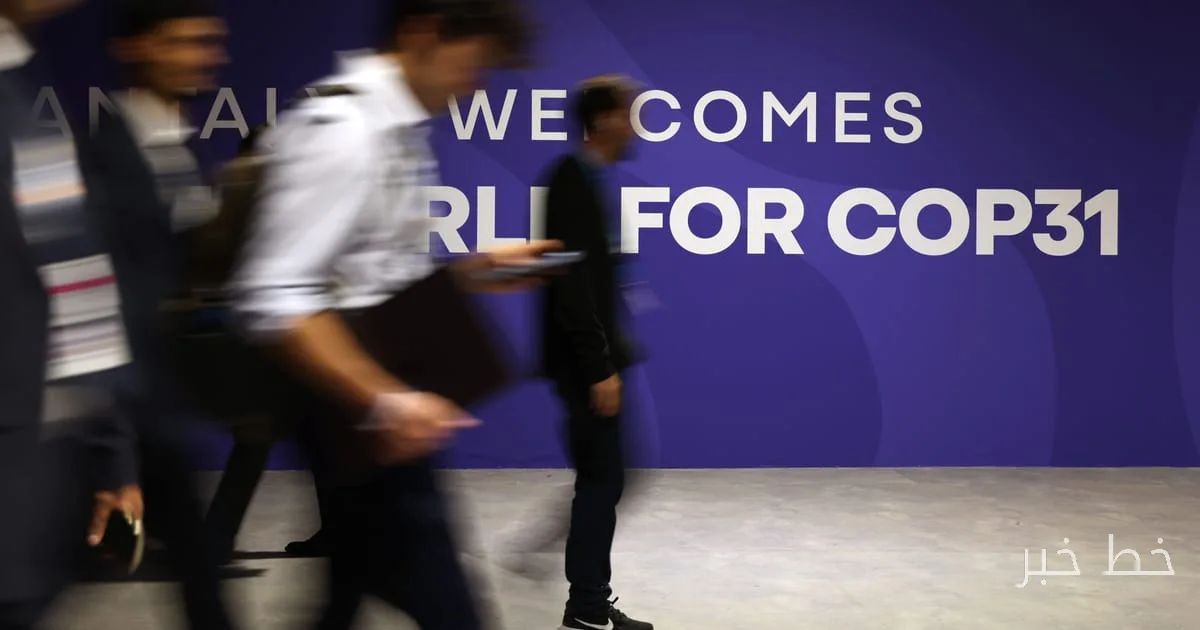
European governments are seeking China's support in a critical week for climate negotiations. On the sidelines of the United Nations conference in Turkey, senior European officials will meet with their Chinese counterparts to reach an agreement on the disputes related to scientific reports.
Disputes Over Scientific Reports
The main dispute relates to the Intergovernmental Panel on Climate Change (IPCC), which publishes scientific assessments every five to seven years. These assessments are recognized as the definitive reference for information on climate change and ways to address it. IPCC scientists hope to release a new series of reports in 2028, but a small group of countries led by India and Saudi Arabia is trying to delay this release.
China's Role in the Negotiations
European countries view China as the key to breaking the current deadlock. According to diplomats, if they can attract China to their side, the obstructing countries may relent. Diana Acconcia, the EU's chief negotiator, has emphasized that the continuation of IPCC work and the timely release of reports are vital for success in the global assessment in 2028.
This assessment will help participating countries in the climate conference (COP) review their progress in implementing the Paris Agreement and take corrective actions if necessary. This assessment is known as the "second global assessment."
Concerns About Delays in Report Releases
Delays in the release of these reports could deprive climate negotiators of the latest scientific information. Countries supporting the release in 2028 include several developing nations that are severely affected by climate change and do not want this vital information to be lost.
Additionally, while India and Saudi Arabia are calling for more time to review the reports, other countries are concerned that this position actually means obstruction and delays in the release of the reports. Hilda Heine, President of the Marshall Islands, has expressed concern over efforts to discredit the IPCC and emphasized that scientists are confident that the work must be done on time.
Financial and Political Challenges for the IPCC
Lack of funding is also a major challenge for the IPCC. The organization needs financial support to continue its work, and failure to agree on a budget could lead to a halt in its activities. In its sixth consecutive meeting, the IPCC failed to reach an agreement, and the attending countries are set to meet again on December 1 to negotiate the budget.
Ultimately, these negotiations are related not only to scientific issues but also to political challenges. Recent decisions at COP28 in Dubai, particularly regarding the gradual phase-out of fossil fuels, have created hot topics in international negotiations, and Saudi Arabia is seeking to change these outcomes.



