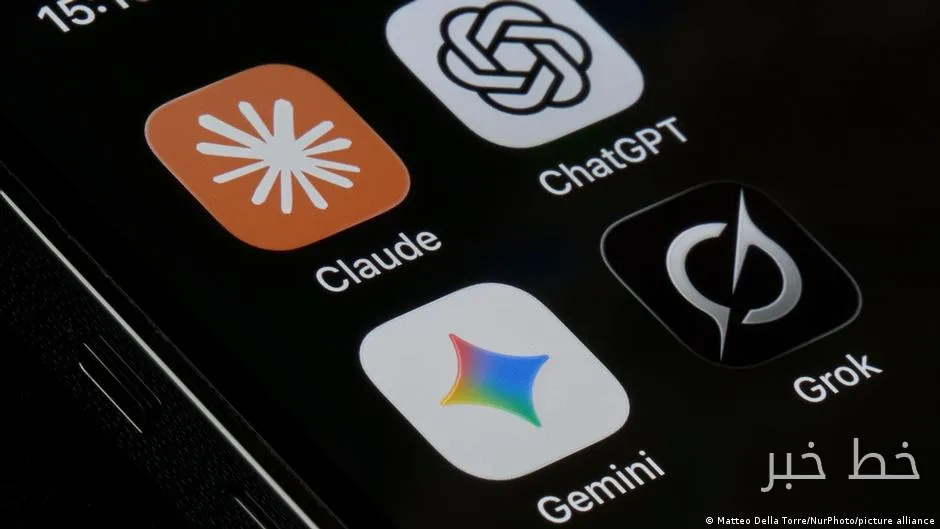
Europe, as a long-standing competitor in the field of artificial intelligence, now sees an opportunity to lead in the revolution of future technologies. Brussels will soon introduce the Quantum Law, which aims to encourage EU member states to collaborate to outpace the United States and China in quantum computing.
Current Challenges and New Approach
The draft proposal of this law, which will be presented in November, seeks to overcome the factors that have so far hindered Europe's aspirations in the field of artificial intelligence. Among these challenges are the lack of investment to turn research into competitive commercial products and global scalability. Additionally, this law emphasizes a focus on competitiveness rather than regulation. This shift in approach addresses concerns about over-regulating artificial intelligence in Europe and avoiding a repeat of that in a field that is at the scientific forefront.
Read more: South Korean semiconductor companies break quarterly profit record
Opportunities in Quantum Computing
Quantum computing is recognized as a technological advancement that could transform many industries, from drug discovery to military applications. The ability to solve complex problems that cannot be addressed by traditional computers has drawn significant attention to this field. Moreover, the national security implications of this technology are also noteworthy, as it could undermine the encryption technology that secures modern communications and banking services.
Many research efforts are still in the laboratory stage, but experts predict that within the next five years, a new generation of computing will be more widely available, and its power will increase with ongoing advancements in artificial intelligence.
The proposed Quantum Law emphasizes support for the industry at the EU level to prevent the national champions from facing challenges due to a lack of investment. This law mandates that governments procure quantum technology from companies based in the EU or countries that have a strategic partnership with the Union in this field.
According to a senior Commission official, the Quantum Law must fundamentally differ from the Artificial Intelligence Law: "This is not a matter for regulation. There is nothing to regulate." This comes as the EU rapidly moved to regulate artificial intelligence through the AI Law, even before ChatGPT entered the technology arena in 2022.
There are fundamental differences in the EU's strategies in the fields of artificial intelligence and quantum computing. While artificial intelligence relates to the use of technology, quantum computing is defined as an infrastructure and computational resource. In this regard, Greg Stenton, CEO of the French company Alice & Bob, emphasizes: "You do not regulate computational power, but rather what you do with it."
Despite Europe being one of the leaders in patent registrations in quantum technology, it only accounts for 5% of global private investment. This highlights structural challenges in translating scientific knowledge into market-ready products and scaling for global competition. However, experts believe that if this program is well implemented, global competition is still open for Europe.
Read more: Transformation in Education with the Rise of Artificial Intelligence · Major AI Company Anthropic Registers for Public Offering