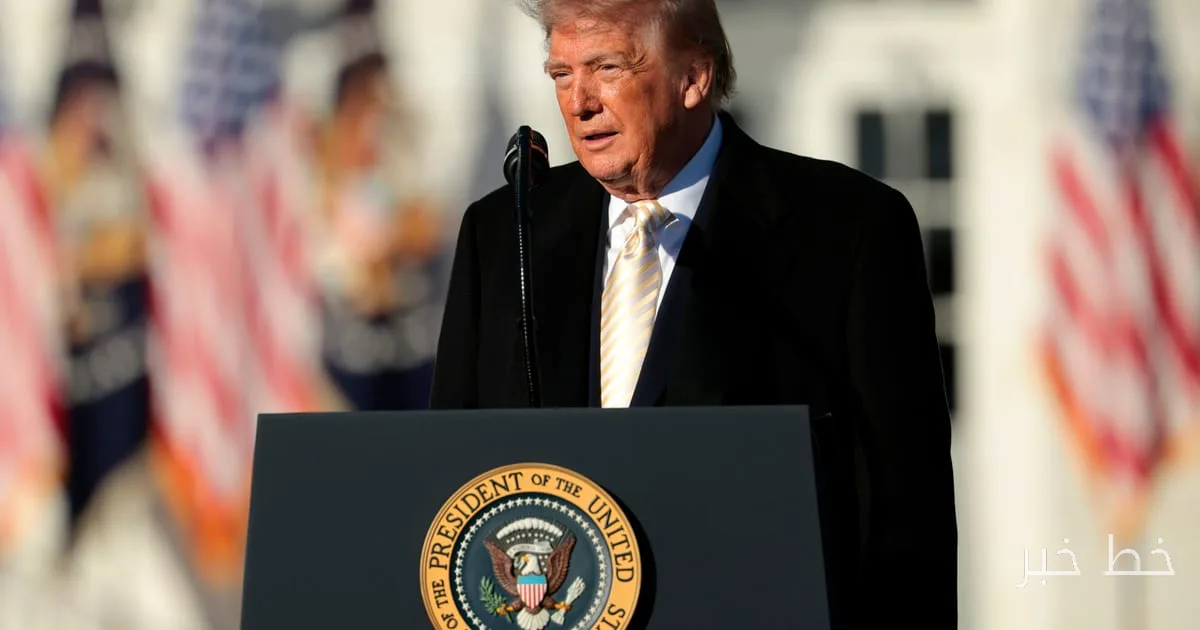
The European Commission on Wednesday rejected the U.S. government's claim that Europe is creating global industrial overcapacity. This reaction came after the Trump administration proposed a 15% tariff on 27 EU countries.
European Commission Analysis
Olaf Gale, the chief spokesperson for the Commission, stated: "We will review the findings. At the same time, we strongly reject the claim that Europe is a source of structural overcapacity. On the contrary, Europe is among the regions most affected by overcapacity."
Tariff Proposal and Reactions
The Office of the U.S. Trade Representative, led by Jamison Geer, announced that 14 trading partners, including the European Union, China, and Japan, have artificially lowered prices by flooding markets with manufactured goods. This request was made following a trade investigation that began in March.
Jamison Geer proposed a 15% tariff on the European Union on Wednesday, which aligns with the cap agreed upon in the transatlantic trade agreement between Donald Trump and Ursula von der Leyen, President of the European Commission, in July 2025.
Geer, who is expected to join a meeting of European trade ministers on Monday, will likely face reactions regarding the overcapacity investigation. EU ministers also expect to discuss progress on reducing tariffs on EU products, including steel, some of which still face U.S. tariffs of 50%.
The investigation into overcapacity, initiated under Section 301 of the Trade Act of 1974, is the second trade investigation of two that began in the spring as part of the Trump administration's efforts to rebuild its tariff wall.
After the "reciprocal" tariffs imposed by Trump in 2025 were struck down earlier this year by the U.S. Supreme Court, the administration applied a 10% tariff on the European Union, citing concerns over the lack of prohibition on imports of goods produced using forced labor. A senior U.S. official stated that the highest tariff rates would be applied and that two tariffs would not be imposed simultaneously.
This official added that the proposed tariffs are likely to take effect in January after the U.S. Trade Representative holds hearings and receives public comments.
Brand Lange, Chairman of the European Parliament's Trade Committee, called the findings of the U.S. Trade Representative's report "absurd" and emphasized that "anyone expecting more calm after the midterm elections was mistaken."
Read more: Europe must change its security structure to satisfy Putin and Trump



