The European Bank for Reconstruction and Development (EBRD) has stated that it is facing a €500 million shortfall for emergency repairs to the Chernobyl reactor in Ukraine. The bank has warned that international funding is essential to prevent an environmental disaster.
Urgent Repairs Needed
The bank is seeking funding to rebuild the large steel structure built over the remains of reactor number 4, which exploded in 1986. This structure, known as the "New Safe Confinement," helps protect the reactor's remains after damage from a Russian drone attack in February 2025 and allows radioactive materials to be managed safely.
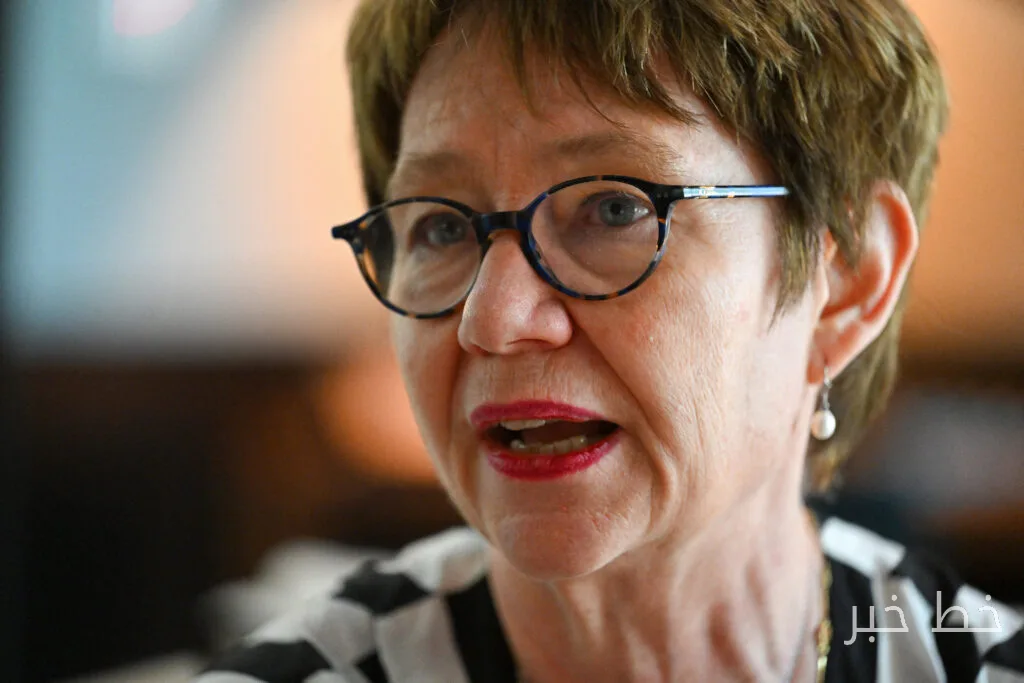
EBRD CEO Odile Renaud-Basso stated in an interview that "this is not just a Ukrainian problem" and added, "Everyone should be concerned about nuclear safety at a global level." She also emphasized that repairs must be completed before 2030, as failure to do so could lead to infrastructure rusting and increased costs.
Funding and International Challenges
Renaud-Basso stressed that these repairs should not be viewed as competing with other needs in Ukraine, which is currently struggling to repair damaged energy infrastructure. She described the repairs as an investment in international nuclear safety, stating that the consequences will extend beyond Ukraine's borders.
Although Russia is responsible for the attack that damaged the structure, the EBRD does not expect Moscow to contribute to the repair costs. However, Renaud-Basso noted that future war damages could help cover the costs of damage to Chernobyl.
The bank estimates that rebuilding the damaged protective structure will cost around €500 million, although further technical assessments are ongoing. The G7 countries committed €260 million in October, which constitutes more than half of the amount needed by the bank.
A conference in Paris on November 9 will be held to encourage further commitments, but securing the remaining funding will take time. Renaud-Basso stated that "this will be a challenge" and expressed hope that the conference could yield additional commitments, even if full funding seems unlikely to be secured immediately.
EBRD hopes to have the necessary funding to begin reconstruction work by 2028, as it estimates that the work itself will take about two years. Renaud-Basso pointed to France's role as G7 president and its significant leadership in keeping this issue on the international agenda.
The bank is also looking to expand its group of donors, targeting European countries that have supported previous Chernobyl projects and G7 members that have not yet contributed. In previous international fundraising efforts for the New Safe Confinement, around 46 countries collaborated.
Renaud-Basso hopes that the international community will ultimately find the financial resources, but emphasized the need to address this issue. She believes the challenge is to demonstrate again that countries can cooperate to protect nuclear safety, just as was done in the aftermath of the 1986 disaster.