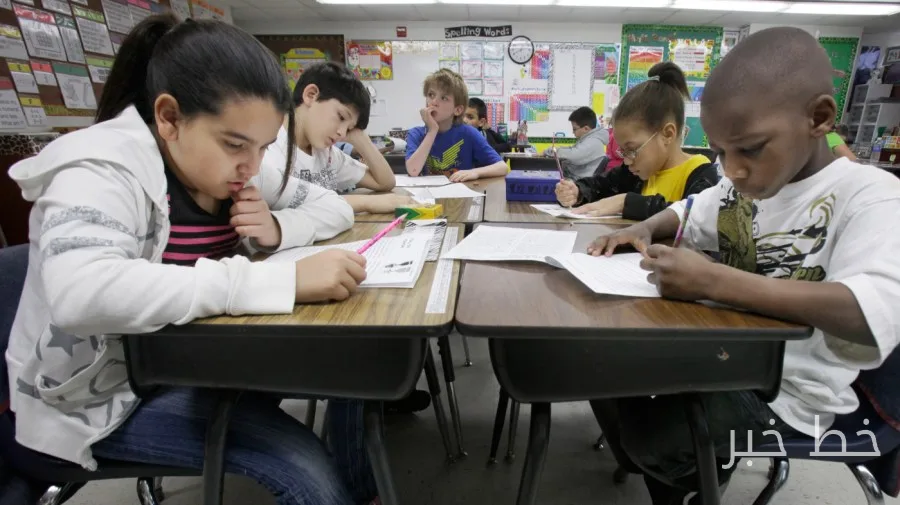
The expansion of tax credits for families and students is currently in the spotlight. Two significant changes in this area are being made for the benefit of students across the country, which could have long-term effects on the quality of education.
Tax Credits and Their Impact on Students
Tax credits allow parents and families to offset part of their educational expenses. This credit can include tuition fees, books, and other educational supplies. With the increase of this credit, parents can more easily manage the costs associated with their children's education, which can lead to improved educational conditions for students.
Read more: Netherlands and Spain nominated for the presidency of the European Central Bank
The Role of Teachers in the Tax Changes Process
Teachers will also benefit from these changes. With the expansion of tax credits, teachers can utilize more resources to meet their educational needs. This means they can invest in new educational projects and have better tools for teaching. As a result, the quality of education will improve, and students will have better educational experiences.
Changes in tax credits can help reduce educational inequalities. Given that some families may be financially constrained, this credit can help them access educational resources that would otherwise be impossible for them. Thus, these changes can contribute to educational equity at the national level.
On the other hand, these changes can also help stimulate the local economy. With increased tax credits, families and teachers will be able to invest more in the community. This investment can lead to job creation and the development of small businesses in the community.
Ultimately, these changes in tax credits will not only benefit students and families but will also strengthen the educational community and improve economic conditions. Considering that education is one of the main pillars of community development, these changes can bring a brighter future for future generations.