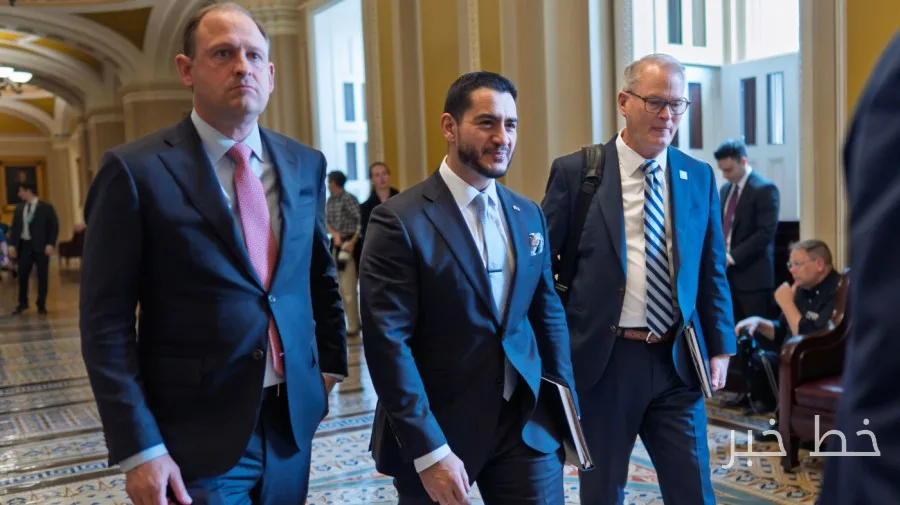
The 2026 midterm elections in the United States will be recognized as a key milestone in the political history of the country. As these elections approach, significant developments in U.S. politics are taking shape that could have deep impacts on the country's future.
Changes in Congressional Composition
Midterm elections typically provide opportunities for opposition parties to gain power in Congress. In this election, both Democrats and Republicans hope to gain greater control over national policies by changing the composition of Congress. Predictions suggest that a significant number of current representatives may not be re-elected due to public dissatisfaction and economic challenges.
Impacts on Local and National Policies
The 2026 midterm elections will not only affect national policies but could also influence local policies. Given the existing dissatisfaction in society, issues such as healthcare, education, and the economy will be at the forefront. These issues could lead to major changes in local policies and compel parties to adopt new approaches to attract public votes.
Moreover, social and economic trends may also impact the election outcomes. With increasing concerns about economic inequalities and social justice, parties must address these issues to gain voter support.
Electoral Competitions and New Strategies
Electoral competitions leading up to the 2026 midterm elections will be highly competitive. Both parties will need to develop new strategies to attract the votes of young people and minorities. These changes could significantly affect the composition of voters and help alter the political equations.
Ultimately, the 2026 midterm elections are expected to be remembered as a precursor to subsequent changes in U.S. policy. Analysts believe that these elections could mark the beginning of a new era in the country's politics, where parties must respond to new challenges and voter expectations.



