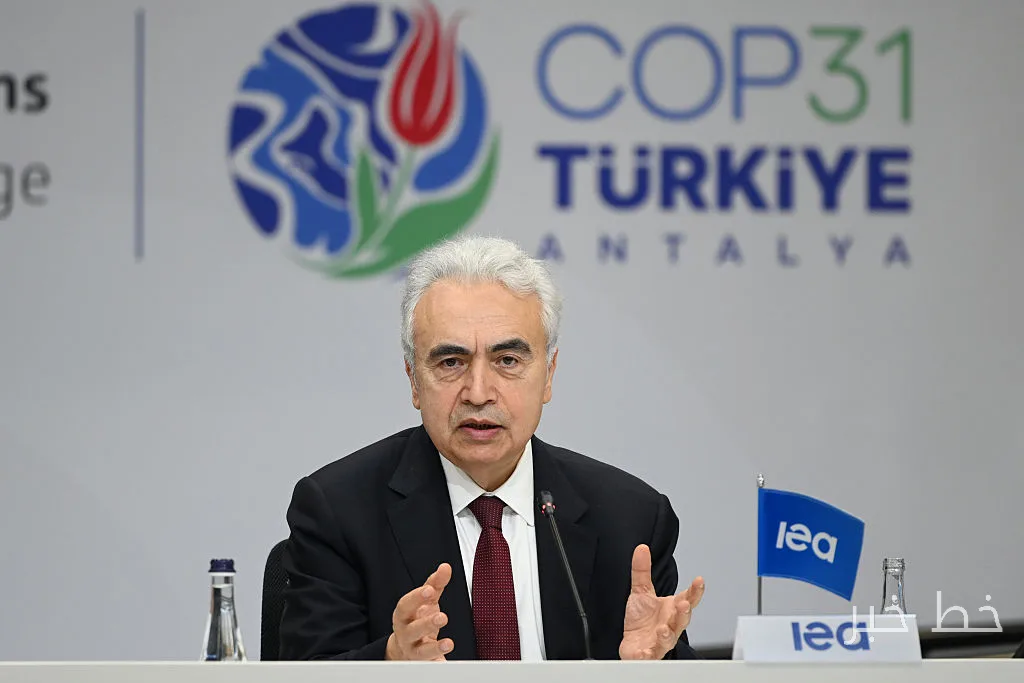
Fatih Birol, the head of the International Energy Agency (IEA), provided a candid analysis of the energy market situation at the United Nations Climate Change Conference (COP31) currently taking place in Antalya, Turkey. He stated, "I see no credible path to return to the previous state in the world of energy after the Iran war." These remarks were made on November 13 and reflect profound and structural changes in the global energy market.
Structural Changes in the Energy Market
Birol simply stated that the focus on energy security means increasing the production of renewable energies, as this type of energy can be produced locally. He also referred to various policies that countries have adopted this year to reduce dependence on fossil fuels, enhance energy efficiency, and decrease vulnerability to energy shocks. For example, from incentive schemes for biodiesel use in Indonesia to encouraging consumers to install solar panels and storage systems in Bangladesh.
Electrification and Its Impacts
One of the key topics in Antalya is electrification. Currently, less than a quarter of final energy consumption comes from electricity, with the remainder primarily related to fuel consumption, such as gasoline in cars and gas in stoves. Birol noted that dependence on electricity, especially when this energy is produced from renewable sources, addresses energy security issues. Meanwhile, the COP31 conference president encourages member countries to commit to increasing the share of electricity to 35 percent of final energy consumption by 2035.
Birol also pointed out the impact of electrification on trade relations, stating, "These trade changes make the need for clean technology supply chains and determining suitable partners for trade relations inevitable." According to him, investment in the energy sector could lead to large-scale electric infrastructure projects and the creation of new companies in the electric technology field.
In a special report by the International Energy Agency in September, it was predicted that global annual investment in electricity generation, battery storage, and grids could reach $2.5 trillion by 2035. This figure represents a $1 trillion increase compared to last year. Birol emphasized that electrification could reduce the influence of oil and gas on global policies and increase the importance of critical mineral resources.
He concluded by saying, "Two years ago, I said we were entering the age of electricity. Today, I can say that looking at today's statistics, we are in the age of electricity."
Read more: Volkswagen Cancels Production Modernization Plan Due to Financial Issues



