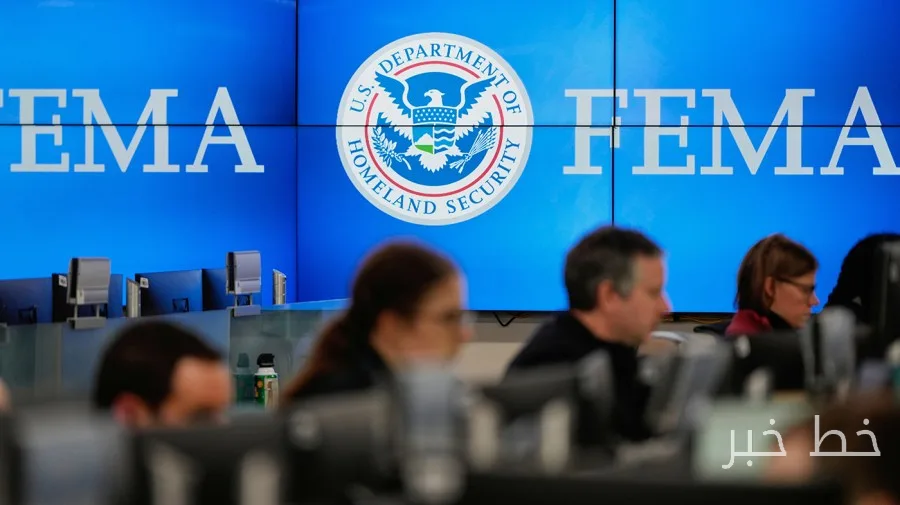
The Federal Emergency Management Agency (FEMA) is pursuing changes to its structure aimed at reducing concentration in Washington, D.C. and improving the agency's efficiency in facing crises. These decisions have recently been discussed in two internal memos that address the need for changes in the agency's management approach.
Reducing Concentration in Washington, D.C.
The first memo, sent by Cameron Hamilton, the director of FEMA, highlights the necessity of reducing unnecessary concentration in Washington, D.C. The memo emphasizes that to strengthen FEMA's capabilities in providing better services to states and communities, the current structure must change. Hamilton has stressed that these changes can help improve the agency's responsiveness and speed of action during crises.
Restructuring Staff and Improving Efficiency
In addition to reducing concentration, FEMA is also looking to restructure some of its staff. This initiative is designed to create specialized teams and enhance efficiency in timely responses to natural disasters and humanitarian crises. According to Hamilton, these changes can help FEMA respond more effectively to the needs of states and local communities and manage resources in the best possible way.
These changes come at a time when FEMA has faced significant challenges in recent years. Among these challenges are severe natural disasters and the need for rapid responses to unexpected events. Given the complexities of these incidents, optimizing FEMA's structure could contribute to creating a better and more effective response system.
Ultimately, the proposed changes at FEMA could have wide-ranging impacts on how crises are managed and how the agency delivers services. Considering the current conditions and the need for rapid and effective responses, these changes could strengthen FEMA's capabilities in facing future challenges.