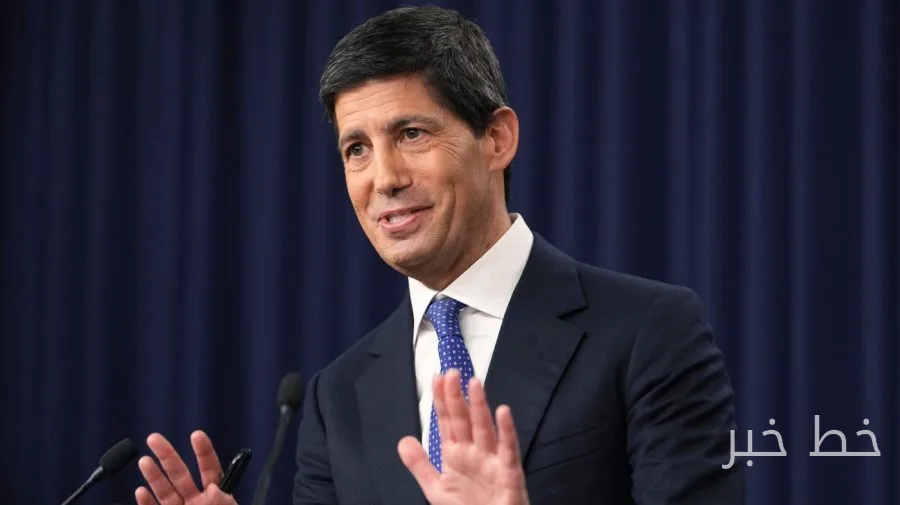
The Federal Reserve decided on Wednesday to maintain interest rates at their current level, thus making no changes to its monetary policy despite economic pressures and persistent inflation. This decision was made during the Federal Open Market Committee (FOMC) meeting with a vote of 10 to 2, reflecting the institution's desire to carefully assess economic conditions before making any changes to financial policies.
Continuation of Monetary Policies
By keeping interest rates at the current level, the Federal Reserve aims to create stability in financial markets and strengthen economic growth. This decision comes as many analysts and experts are deeply concerned about ongoing inflation. In particular, the rising prices in various sectors, including energy and food, have heightened concerns about the increasing cost of living for households and businesses.
Read more: Decrease in Beer Sales Due to the Impact of GLP-1s on the Market
Potential Consequences for the Economy
The Federal Reserve's decision to keep interest rates steady could have widespread effects on financial markets and the overall economy of the country. This action is expected to help bolster consumer and investor confidence and lay the groundwork for sustainable economic growth. However, some experts believe that the lack of change in interest rates may lead to increased inflationary pressures in the future.
The Federal Reserve will also closely monitor economic conditions and the labor market, and may make other decisions in the future if necessary. The institution seeks to maintain a balance between economic growth and inflation control and is prepared to adjust its policies if needed.
Read more: The New UK Budget Will Focus on the Cost of Living Crisis · Federal Reserve Decides Not to Change Interest Rates