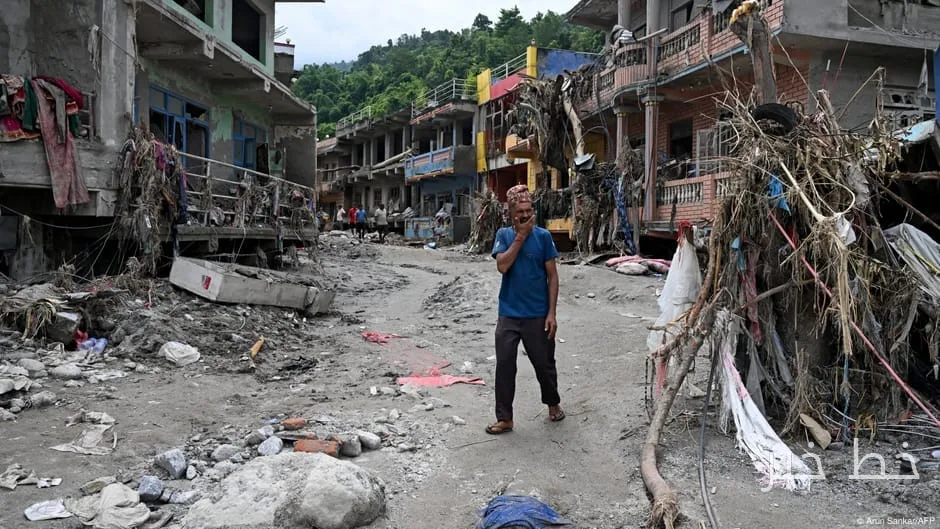
The Climate Compensation Fund, established after significant pressure from at-risk countries, is currently facing a shortage of financial resources. This fund was created to assist countries in rebuilding after climate disasters and the irreversible effects of climate change.
Critical Situation of the Compensation Fund
The Compensation Fund recently faced an urgent funding request of $2.8 billion in its first appeal, while only $342 million was available. Even the amount previously promised has not been fully and timely delivered to this fund.
Read more: Federal Judge Extends Temporary Deadline for Closing East Potomac Park
Although the European Commission has signed an agreement worth €25 million to assist this fund and Spain has also pledged another €15 million, other contributions to this fund are significantly rare.
Assistance to Affected Countries
The first emergency response from the fund is set to be allocated to Nepal. The board of the Compensation Fund has temporarily set aside $21.6 million to assist Nepal, which suffered flash floods in August due to glacier collapses, claiming the lives of over 1,500 people. However, this amount has not yet been transferred, and Nepal must submit its funding request.
It is reported that Nepal is awaiting another request following the floods in Kathmandu and landslides in the eastern hills. Bibi K. Raj Kandel, a Nepali climate finance expert, pointed to the inefficiency of this process, stating, "This request from a country facing a climate crisis is expected to prepare a proposal."
Pakistan, which sought the establishment of this fund in 2022, has yet to receive any assistance. Pakistan's Minister for Climate Change, Sherry Rehman, stated, "We really have not received any assistance. We see nothing on the ground." Pakistan has submitted two projects and has been informed that the cap on assistance is $200 million.
Additionally, Abid Qayyum Suleri, Executive Director of the Sustainable Development Policy Institute in Islamabad, emphasized the need for grants instead of loans, noting that promises made are often hollow. He said, "We do not want a climate disaster in Pakistan to turn into more debt for this country."
Read more: COP31 in Turkey Ended Without Agreement on Climate Accord · Trump Administration Moves to Change University Accreditation



