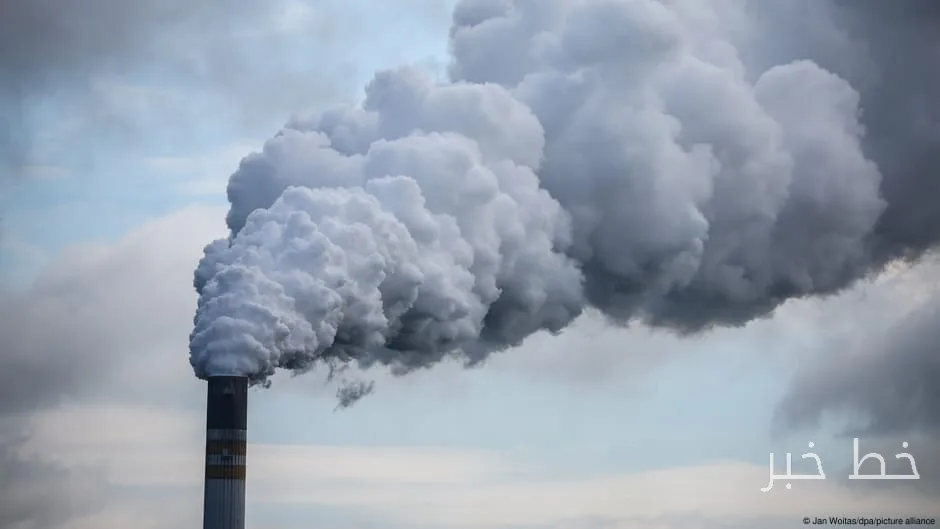
An alliance of 57 countries has been formed in Colombia to accelerate the exit from fossil fuels. This alliance, established at the Santa Marta conference in April 2023, has declared its goal to develop national roadmaps to reduce dependence on oil, gas, and coal.
A New Approach to the Climate Crisis
Last year, while negotiations were taking place at the UN COP summit in Brazil, there were hopes that countries would reach a clear agreement to exit fossil fuels. However, opposition from oil-producing countries like Russia and Saudi Arabia led to a softer final agreement that did not explicitly mention fossil fuels.
Read more: Delhi overtakes Lahore as the world's most polluted city
As a compromise, Brazil, as the host of the summit, proposed the drafting of a "voluntary" roadmap. In this context, a group of 57 countries, tired of the deadlock in negotiations, decided to form the "Alliance of Countries Seeking Change" to accelerate the exit from fossil fuels outside the COP framework.
The Santa Marta Summit and Its Outcomes
The Santa Marta summit, hosted by Colombia and the Netherlands, brought together countries such as Canada, Norway, Brazil, Nigeria, Mexico, Australia, and Germany. This summit specifically focused on implementing the transition to renewable energy. The goal of these countries was to create national roadmaps to restructure their financial and commercial systems in a way that reduces dependence on polluting energy sources.
Discussions at this summit included actions such as reducing subsidies for oil, coal, and gas, as well as supporting those whose livelihoods depend on the fossil fuel industry. Additionally, representatives from nearly 200 countries are currently negotiating in Antalya, Turkey, as part of the latest UN climate conference.
For the first time in 2023, countries agreed to distance themselves from fossil fuels, which are the main drivers of rising global temperatures. However, subsequent summits have failed to provide practical solutions for implementing these commitments.
Experts believe that the Santa Marta alliance may not have a significant impact on this year's COP negotiations, but it could influence countries' willingness to join this alliance in the future.
This alliance has acted as a political driving force and demonstrates that a large group of countries genuinely seeks to accelerate this transition. Furthermore, this group is creating a valuable "knowledge group" in the field of developing national programs for exiting fossil fuels and addressing existing barriers in each country.
The development of national programs in Germany, France, and the Netherlands for exiting fossil fuels after the Santa Marta conference has been viewed as a positive step. Additionally, Brazil has recently released its global roadmap for transitioning from fossil fuels.
Read more: The UK government faces serious challenges at the COP conference · Lula re-elected as President of Brazil



