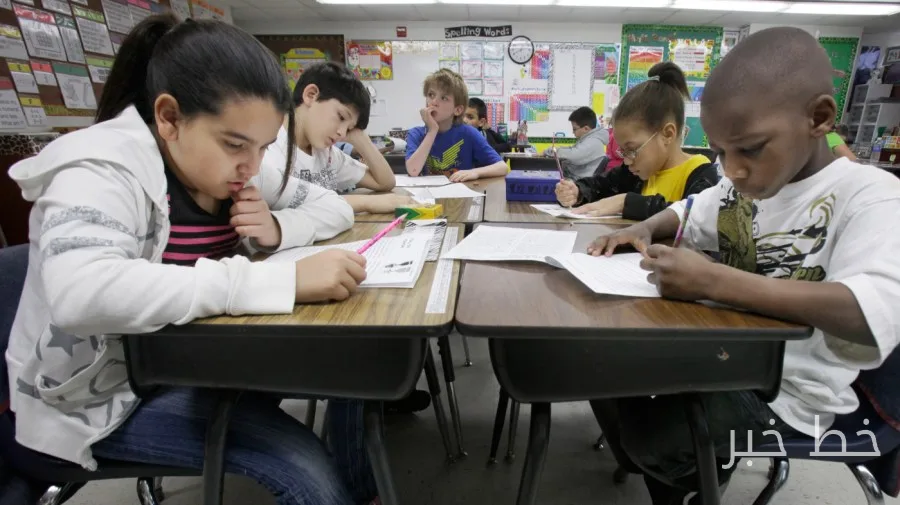
France, with public debt of about 120% relative to GDP and facing widespread unrest, is confronting serious financial and political problems. To respond to these public protests, the government has a plan to secure €4 billion ($4.48 billion) in low-interest loans for school renovations by 2030 and to allocate another €1 billion to universities by 2029. However, these promises seem to lack sufficient financial resources.
Debt Ratio and Credit Rating
While the debt-to-GDP ratio in Germany is about 65%, France is struggling with more issues. Germany is recognized as a country with the highest credit rating of AAA, while France has ratings of AA, A+, or Aa3 depending on the credit agency. With rising interest rates, the French government is forced to pay more interest compared to Germany, creating more risks in financial markets.
Read more: CNC report on supporting the creators' economy until 2028
Consequences of Rising Financial Costs
Given these conditions, it is expected that France will spend over €79 billion in 2026 to pay interest on its public debt, and this figure is projected to reach €132 billion in subsequent years. Rising financial costs will also impact Germany, with forecasts indicating that the country's interest payments will significantly increase as well.
Political challenges in France are also exacerbating this crisis. Political parties, including the National Rally (RN) and La France Insoumise (LFI), are operating with costly promises, while economic realities seem to have little effect on political discussions. This situation could lead to a deeper financial crisis if necessary actions to reform the financial situation are not taken.
Read more: Rejection of the government budget in the French House of Representatives · Poll results show that people are still dissatisfied with prices