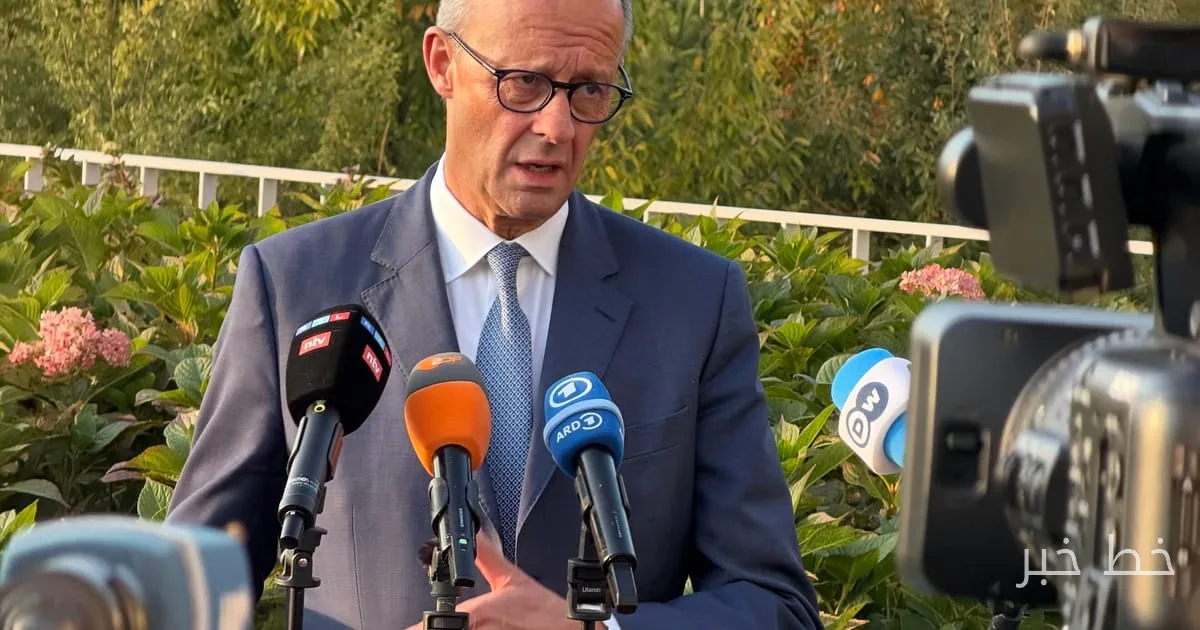
Friedrich Merz, the Chancellor of Germany, expressed during his trip to East Asian countries that he was surprised by the intensity of these countries' reactions to the 'Made in Europe' plan. This plan, agreed upon in collaboration with Emmanuel Macron, the President of France, includes restrictions on subsidies for cars produced within the European Union, Switzerland, and the UK.
Reactions from Asian Countries
Asian countries, particularly South Korea and Japan, have strongly protested this plan. Lee Jae-myung, the President of South Korea, stated in a conversation with reporters that he has asked Merz to treat South Korea similarly to EU member states. A similar protest has also been raised by Japanese officials.
Read more: Review of Britain's Economic Figures and Political Decision-Making Challenges
Merz commented on this, saying: "This issue actually surprised me a bit, given the intensity of its presentation." He made these remarks before returning to Germany after a five-day trip to Asian countries.
Concerns About New Protectionism
Merz also referred to the existing concerns in the region, stating that the proposed plan by France and Germany has raised significant worries in Singapore, Japan, and South Korea. He said: "We may face a new wave of protectionism in Europe and isolate ourselves from other countries."
Merz paid close attention to the complaints raised by Asian countries and promised to address these issues at the upcoming EU leaders' summit. The leaders of the EU are set to hold an informal gathering in Dublin on November 13.
Creating a Global Coalition for Rules-Based Trade
In his speeches in Seoul and Tokyo, Merz proposed a "global political coalition for rules-based trade." He emphasized that the European Union, Asian countries, Canada, Australia, New Zealand, and the Mercosur trade bloc of South America must "coordinate" and "cooperate" to defend themselves against international challenges and economic pressures. These statements indirectly refer to China's threats regarding restricting access to rare metals and tariff threats from Donald Trump, the former President of the United States.
However, strong reactions from South Korea and Japan remind us that specific industrial tensions could disrupt the implementation of Merz's proposed larger coalition.
Read more: Canada and the EU Seek to Strengthen Cooperation Without Provoking the US and China