Young people in Germany are increasingly struggling to find jobs after completing vocational or university education. Additionally, finding an affordable place to live in large cities is nearly impossible.
Neglect of Young People's Demands
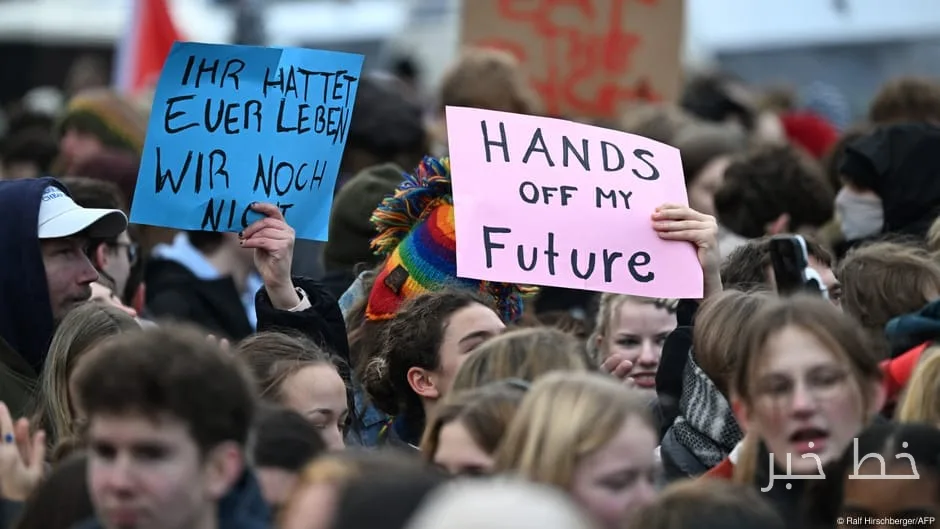
Young people feel that politicians are not taking action on issues that matter to them, such as environmental protection. The climate conference in Antalya, Turkey, is an example of this neglect. For this reason, young people across Europe took to the streets on Friday to make their voices heard. In Germany, Generation Z protests were held in 73 cities on the occasion of World Children's Day.
Political and Media Challenges
One of the things that angers young people greatly is talking about them instead of talking with them. Additionally, seeing their protests described as criminal acts before they even begin fuels their anger. For example, the youth branch of the Christian Democratic Union/Christian Social Union (CDU/CSU) in Berlin-Mitte suggested that the German army be deployed to counter the protests.
According to Erik Skzigul, who was previously the Secretary-General of the Federal Conference of Student Representatives, young people take to the streets because they feel their voices are not being heard. He says: "This feeling is greatly reinforced when the press dedicates only a short paragraph to their demands and focuses the rest of the coverage on the potential problems of these protests."
In this context, young people are seeking changes that will help sustain their livelihoods and those of future generations. Florian Brod, 25, says: "Almost half of the world's population is under 30 years old, while only 2.6 percent of parliament representatives worldwide are under 30."
Young people need change and want their voices to be heard in political processes. Erik Skzigul and Florian Brod, who represent youth at international conferences, share a similar experience. They often participate in conferences and panel discussions, but these invitations are mostly seen as symbolic.