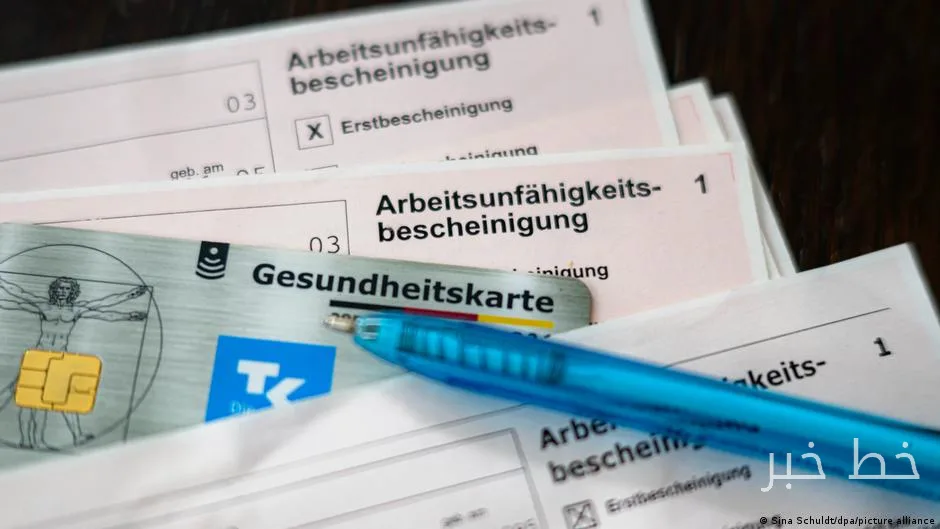
German workers aged 60 to 65 take an average of 31.3 sick days per year. This information is based on data published in 2024 by the German Ministry of Health and collected at the request of the Left Party in the Bundestag.
Increase in sick leave
Overall, the average number of sick days among all German workers is 15 days. However, the number of individuals in the 60 to 65 age group who have taken sick leave for a year or more has increased in recent years. This number has risen from about 80,300 in 2022 to 96,100 in 2024.
Warning from the Left Party and concerns for the future of workers
Sarah Wlat, spokesperson for the Left Party, described this statistic as a "clear warning sign" and warned that workers cannot "work forever." She pointed out that if the federal government continues on its current path, the retirement age for workers will soon be delayed due to the increase in the standard retirement age, which ignores the reality of older workers' lives.
The government of Chancellor Friedrich Merz has made pension reforms one of its main objectives, including delaying the retirement age to 67.
Inflation rate and its impact on workers
The inflation rate in Germany is also a significant topic in this discussion. According to preliminary statistics from the Federal Statistical Office of Germany (Destatis), the inflation rate in October has decreased to 2.8 percent, down from 3.3 percent in September. This decrease is attributed to government aid to consumers at gas pumps in October.
The head of the Federal Statistical Office, Ruth Brand, emphasized that the main factor in the high inflation rate is the trend in energy prices, although government financial aid may have slightly reduced inflation.
Given the changes in economic and social conditions, it is expected that the situation of older workers and the challenges they face will soon become one of the hot topics of discussion in Germany.