Germany and France signed an agreement on Friday to support the European automotive industry. This agreement is designed to reduce carbon dioxide emissions and support the development and manufacturing of electric vehicles in Europe.
Transforming the European Automotive Industry
The countries of Germany and France stated in a joint declaration: "Our common goal is clear: to successfully transform our automotive industry while adhering to our environmental goals and ensuring that the cars of the future are produced in Europe." This agreement also includes incentives for investment, research, and production.
Challenges for European Automakers
The automotive industry in Europe has faced many challenges in recent years. European automakers have been competing fiercely with their Chinese counterparts in the electric vehicle market, leading to cost reductions and the adoption of austerity measures. The new agreement between Germany and France is expected to strengthen this industry and protect jobs in this sector.
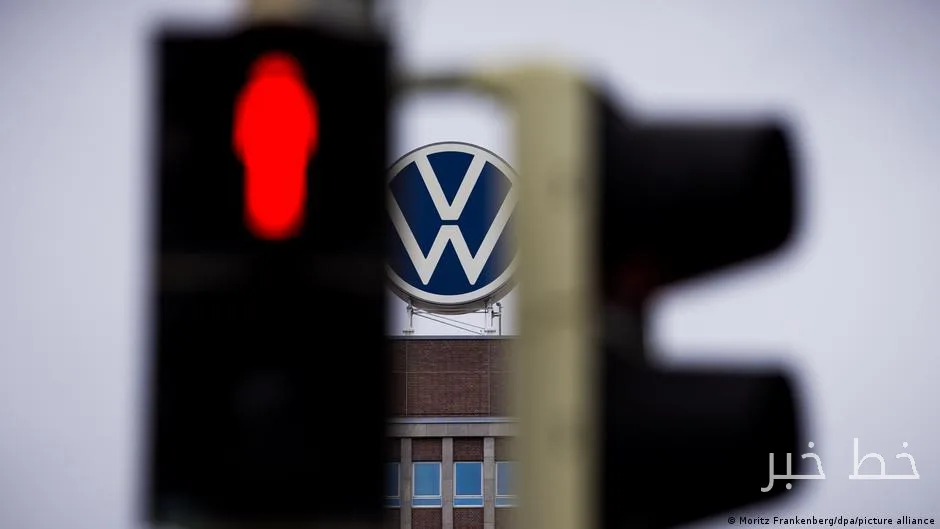
Olaf Lies, the Prime Minister of Lower Saxony, described this agreement as a "strong signal" in support of the European automotive industry that helps preserve jobs in this sector. Lower Saxony is home to the major German automaker Volkswagen, and Lies is also a member of the supervisory board of this company.
The Future of the Automotive Industry
With this agreement, Germany and France are striving to steer their automotive industry towards a more sustainable future. The two countries are looking to create a suitable legal and economic framework for the growth of electric vehicles in Europe and hope that by providing financial incentives and facilitating production processes, they can enhance their competitiveness against Asian rivals.