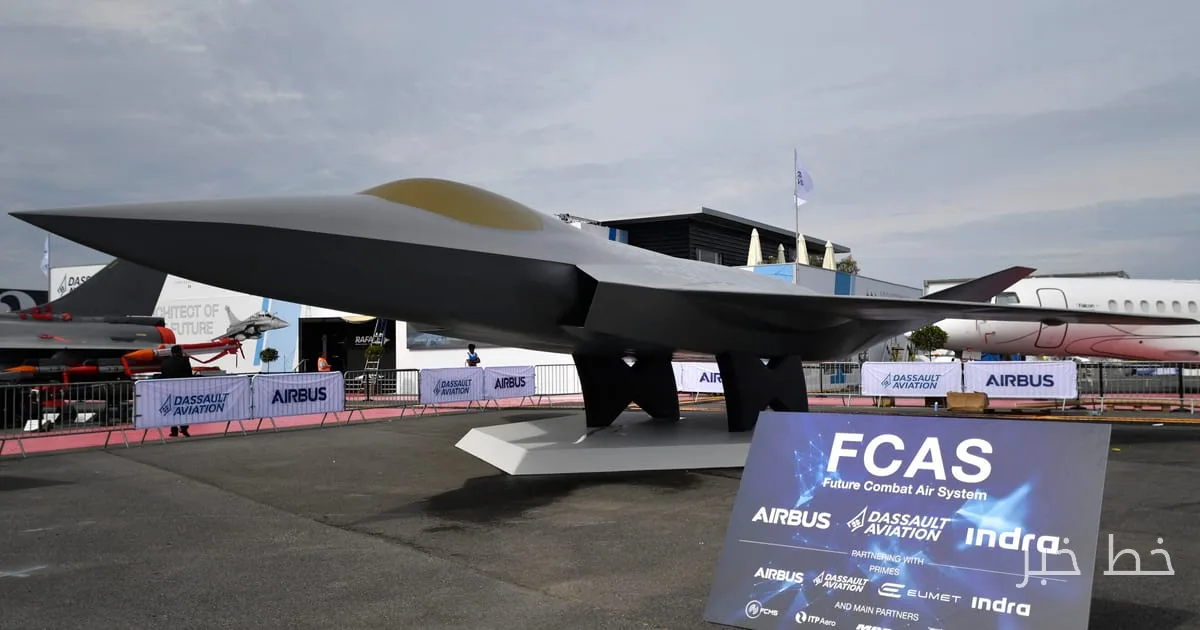
Germany is exploring new options for developing its fighters following the failure of the joint fighter project with France and Spain. This project, known as the Future Combat Air System (FCAS), has reached an impasse due to industrial and managerial disagreements between German and French companies.
New Challenges in Defense Collaborations
The German Ministry of Defense is seeking new partners, including Stockholm and Madrid. Assessments from the Ministry of Defense indicate that collaboration with these countries could meet Germany's military needs and provide opportunities for the German industry. On the other hand, officials from the Chancellor's office are considering cooperation with London as a diplomatic option.
The overall goal for Berlin is to reduce dependence on U.S. military technology. This goal was raised long before the threats from Donald Trump, the former President of the United States, to withdraw from NATO. His criticisms of NATO allies, particularly regarding support for wars and military policies, have put additional pressure on Germany.
Germany's Future Military Projects
The decision regarding the new fighter is part of Germany's broader efforts to strengthen its military capabilities. Berlin is also planning to establish its military satellite communications network worth 10 billion euros and is collaborating with Britain on the development of long-range missiles. Germany is also aiming to reach NATO's defense spending target of 3.5 percent of GDP by 2029.
However, increasing spending alone will not make Germany militarily independent. Berlin cannot develop all advanced weaponry on its own, so it needs partners who can provide military capabilities while also having a sustainable role in their development and control.
The FCAS project, which was supposed to symbolize European defense cooperation, is now failing due to disputes between Airbus and Dassault. This failure highlights serious challenges in international defense collaborations that could delay billions of euros of taxpayer money.
Currently, Germany's immediate challenge is finding a replacement for this project. However, internal assessments from the Ministry of Defense regarding the selection of new partners are facing uncertainties.
Germany and Britain have strengthened their relations post-Brexit and are establishing a new friendship treaty, part of which relates to security and defense. Cooperation on the fighter project could deepen these relations and bring the two countries closer together on one of Europe's most important defense projects.
Germany now needs to weigh the diplomatic benefits of cooperating with Britain against the military and industrial priorities seen in a project with Sweden. The political calculations of this choice may come under more pressure in the coming weeks.
Merz, the head of the CDU party, is set to travel to Japan on Wednesday to discuss the possibility of Germany's participation in the GCAP project with one of the founding members of this program. Tokyo's agreement for Germany to join this project is essential, especially as the country is concerned about meeting the 2035 deadline for retiring its F-2 fighters.
During a meeting with Burnham, they agreed to assign their defense teams to explore the possibility of Germany's participation in this project. Industry and diplomatic officials expect Merz to raise this issue during his trip to Japan.
The challenge for Merz and Pistorius is to choose partners that will help Germany strengthen its defense capabilities while advancing its political, military, and industrial interests.
Read more: Democrats Lead Republicans by 8 Points