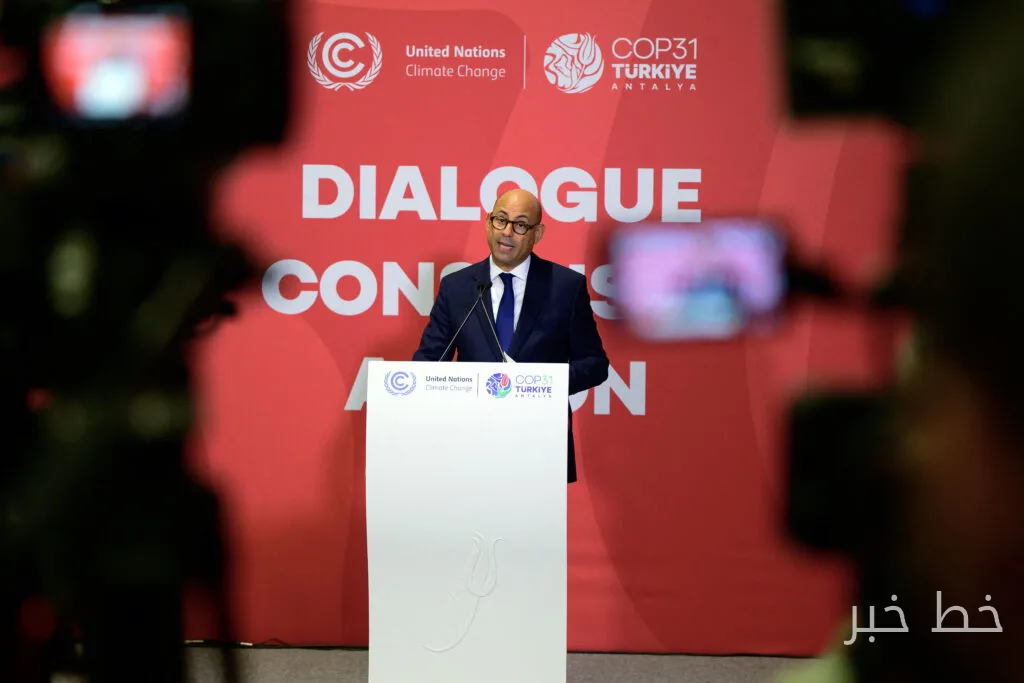
The climate talks in Antalya concluded with a disappointing outcome. This meeting, which lasted for two weeks, reached a deadlock after 48 hours of intense negotiations without achieving a final agreement.
Failure to Agree in Critical Conditions
Countries were unable to sign a final agreement despite new scientific warnings and rising energy prices, which many governments viewed as an opportunity to move away from fossil fuels. This situation means that countries return from two weeks of intense negotiations with only a few technical agreements and no political agreement to prevent dangerous climate changes.
Read more: Disagreement over the Timing of the IPCC Assessment at COP31 Conference
Political Challenges in Negotiations
Simon Steele, the UN Climate Chief, emphasized that "real progress" was made at this meeting, despite the lack of agreement on the main text. Juan Carlos Navarro, Panama's Climate Minister, stated, "This ridiculous system that requires absolute agreement is a recipe for disaster."
Governments arrived in Turkey knowing that the world is on the brink of a crisis. This meeting was the first climate conference since the UN declared that the world is likely to exceed the goal of limiting global warming to 1.5 degrees Celsius.
Australia's Climate Minister, Chris Bowen, said, "The entry conditions for these talks are the most complex and dangerous geopolitical environment in living memory, and the impacts of climate change are worsening."
The absence of an agreement on the 1.5-degree Celsius target in Turkey was one of the main reasons for the lack of a final agreement. Oil and gas-rich countries tried to remove any reference to fossil fuels, the main driver of global warming, from the final text.
Ultimately, the negotiations reached a deadlock due to deep disagreements over the future of energy, and Turkey and Australia were unable to sign an agreement. This conference became the longest climate meeting in its 30-year history.
Despite this, some pointed to side agreements and tangible outcomes in the action agenda and emphasized that the UN climate process is still ongoing.
Read more: Increasing Water Crisis in Iran and the World Due to Drought and Climate Change · Climate Justice Held Hostage by Major Powers



