Greg Stanton, a professor of neurobiology and behavior at the University of California, Irvine, has recently found interesting results regarding the impact of insufficient sleep on people's behavior. With the start of daylight saving time and the clock change, individuals typically lose an hour of sleep, which not only leads to fatal road accidents but also has other effects.
Results of the New Study
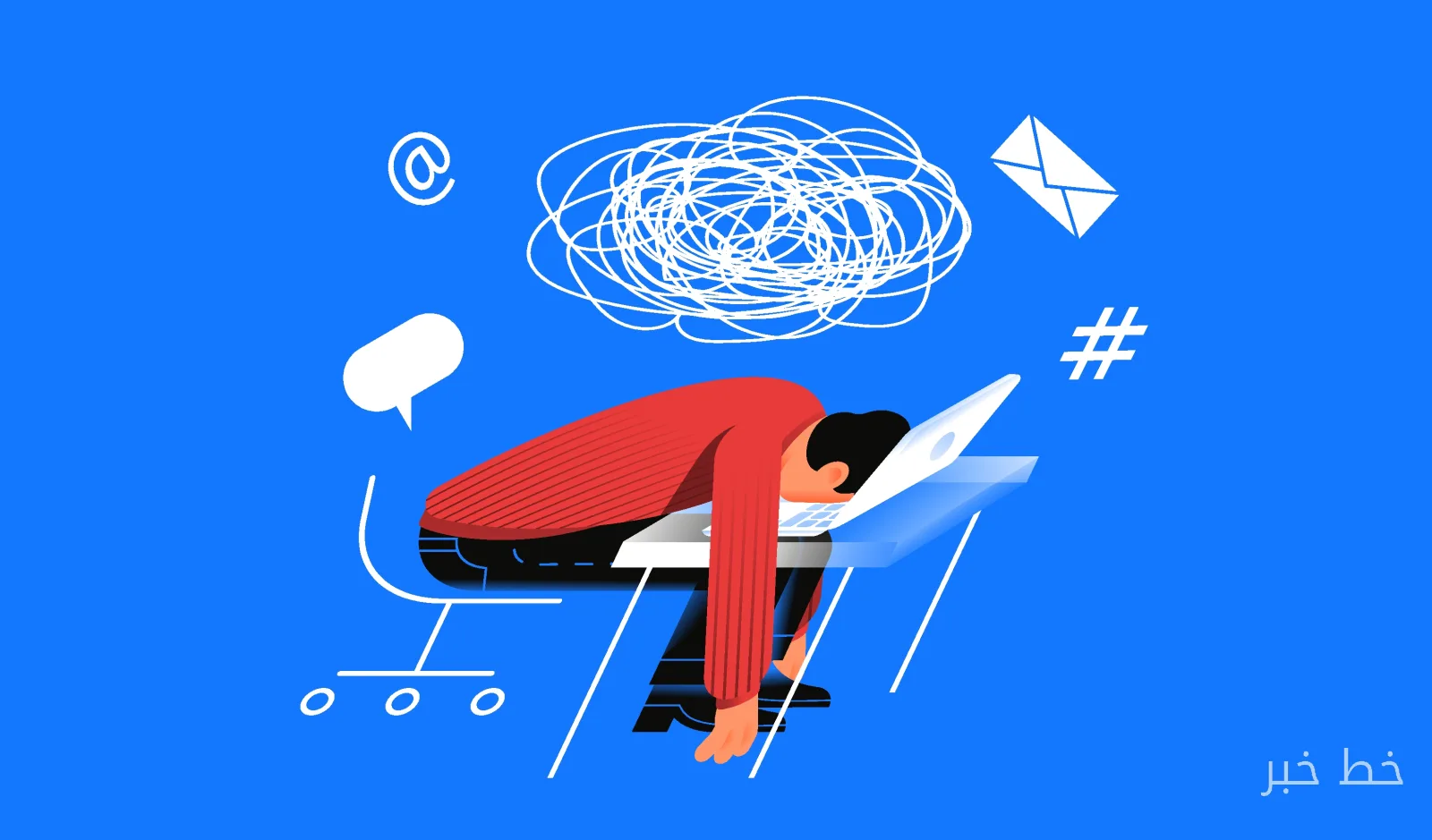
In this study published in the Proceedings of the National Academy of Sciences, phishing emails were sent to over 10,000 people, concluding that on the Monday after the start of daylight saving time, the likelihood of clicking on suspicious links in emails increases by 13 percent.
Read more: Abdul Al-Sayed Expressed Willingness to Collaborate with Trump in Healthcare
Stanton says, "The idea for this study was inspired by a routine cybersecurity test. Our university sends phishing emails every few months to train employees on how to identify these types of emails." Phishing emails are designed to look like real messages and encourage individuals to provide their personal information.
The Role of Sleep in Decision-Making
Stanton, in collaboration with the university's IT team, sent fake emails to two groups of recipients: half received them on the Monday before the clock change and the other half on the Monday after. This clock change is a known source of insufficient sleep and can be easily tested.
The results showed that the clock change did not affect the likelihood of opening suspicious emails, but the likelihood of clicking on links increased. Stanton states, "Our interpretation is that the lack of sleep makes individuals more impulsive and less rational, so they open the email and think, 'Well, I’ll click this link.'"
Factors Influencing Internet Fraud
Several factors can influence whether individuals fall for internet scams, including high stress levels and workload, as well as personality differences such as impulsiveness. Jason R.C. Nurse, a professor at the University of Kent in the UK, says, "Insufficient sleep can make this profile somewhat suitable because it has a direct impact on our decision-making and mental state."
Nurse adds, "If we don't think logically about what we see in our inbox, there's every chance we could fall into the trap of an internet scam."
The Impact of Fall Time Change
When the clocks are set back, theoretically, individuals have more time for sleep. But does this mean that people click less on suspicious links? Stanton is skeptical. He says, "When you are given an extra hour, unfortunately, it is rarely used for more sleep."
Stanton is currently collecting data for the recent fall time change and hopes that other institutions will follow this research. He says, "It will be really interesting to see what others find."
Read more: The U.S. Supreme Court Responds to a Prisoner's Request for Compensation Regarding Medical Care in Prison · Death of Hubert Aiwanger, Deputy Prime Minister of Bavaria, in Berlin