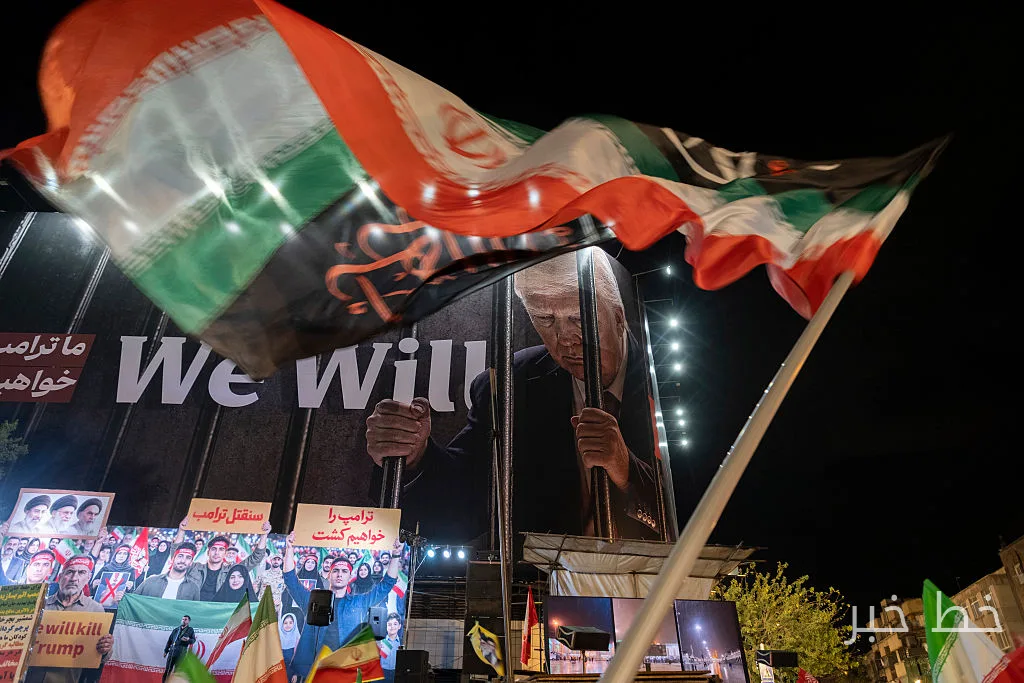
Greg Stanton, a member of the House Intelligence Committee, stated that the United States regularly faces threats. These remarks came in light of reports about Iran's planning to use a dirty bomb in Washington, D.C.
Details of Iran's Threat
According to media reports, new U.S. intelligence suggests that Iran may be looking to target Trump administration officials in an attack on the capital. This intelligence also includes conversations among Iranians claiming they have hidden the materials needed to build a bomb within the United States. However, officials disagree on the credibility of these claims.
Read more: Boris Pistorius confirmed the systemic problem of sexual harassment in the German army
Such an attack could represent a major escalation. Since the United States and Israel began a war against Iran, Iran has attacked U.S. military bases in the Middle East as well as energy facilities and commercial ships in the Strait of Hormuz. However, there has yet to be a direct attack on U.S. soil.
Reactions from U.S. Officials
U.S. officials noted that the intelligence gathered does not necessarily indicate an imminent threat and are still assessing whether Iran can or wants to carry out such an attack. Lauren Baer, a White House spokesperson, stated that the United States "monitors any potential threats, but currently there are no credible threats to the mainland."
André Carson, a Democratic representative from Indiana, told the media that the House Intelligence Committee regularly encounters such reports, but many of them are not made public. This highlights the sensitivity and complexity of the security situation the United States is grappling with.
Another official stated that Iran is aware of the risk of retaliation if it attacks the United States, but reports continue to raise questions about the U.S. preparedness against an unconventional attack.
The Attorney General, Todd Blanch, last week urged congressional leaders to reauthorize the national security law that allows U.S. officials to monitor foreign nationals abroad. Section 702 of the Foreign Intelligence Surveillance Act expired in June, although existing surveillance orders remain valid until March 2027.
Potential Consequences of Using a Dirty Bomb
A dirty bomb is a weapon that combines a conventional explosive, such as dynamite or TNT, with radioactive materials. While the explosion of a nuclear bomb can affect a wide radius, a dirty bomb can only spread radioactive materials over a few blocks or miles.
Building a dirty bomb requires relatively little expertise. While the main danger comes from the initial explosion, the dispersed radioactive materials can pose risks to individuals near the blast site. Health organizations recommend covering your mouth and nose and quickly seeking shelter in a nearby building if you are close to the explosion site.
Although a dirty bomb has never detonated in a real attack, there have been several attempts and plots to use one. Historical incidents such as the radiological accident in Goiânia, Brazil, in 1987 illustrate the potential consequences of radioactive contamination.
Read more: Iran-related media attract millions of viewers · James Morgan Chase faces technical issues in banking services