Climate change is a serious threat to the future of humanity, and the Earth has currently crossed seven critical planetary boundaries necessary for sustaining life. These boundaries include climate change, ocean acidification, and biosphere integrity. If societies and economies continue on the current trajectory, the vital processes of the Earth will be severely disrupted, threatening the future of humanity.
The Need to Change Economic Patterns
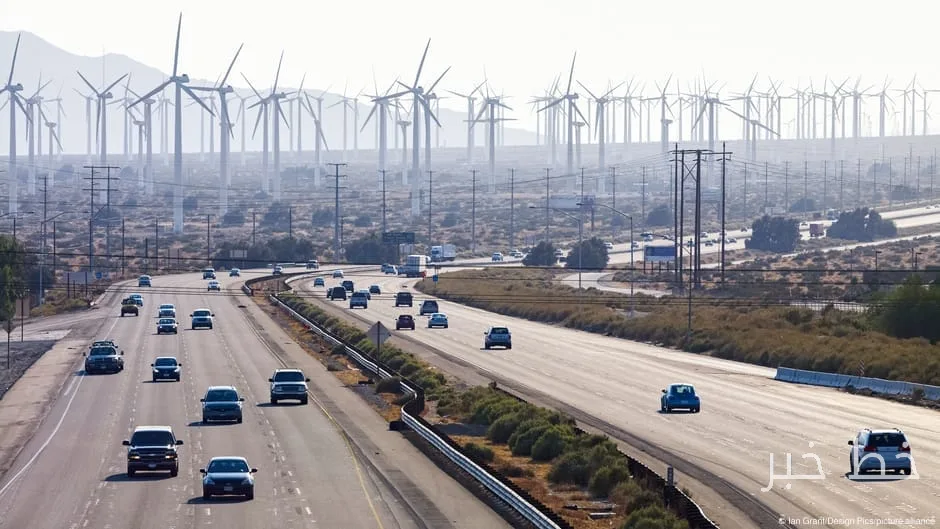
It is now widely accepted that if humans want any chance of reducing global warming and the loss of nature, social and economic patterns must change. This is where the concept of green growth comes into play. Green growth promises that the economy can grow while reducing greenhouse gas emissions and resource consumption. For example, using renewable energies like wind and solar instead of coal and gas, and replacing gas furnaces with heat pumps are among the actions that can help achieve this goal.
Experiences of Developed Countries
Developed countries such as the United Kingdom, the United States, Japan, and Australia have experienced economic growth for years while their CO2 emissions have decreased. Even when considering overseas production, this trend continues. In the European Union, the overall economy of the region has grown by more than 70 percent since 1990, while the carbon emissions of the union have decreased by about 40 percent.
However, this complete decoupling of economic growth and greenhouse gas emissions is relatively rare. In India and several African and Southeast Asian countries, improvements in economic efficiency are observed, but in these countries and globally, greenhouse gas emissions continue to rise.
Challenges Facing Green Growth
Despite the fact that economic growth and reduced emissions are achievable, eliminating all greenhouse gases from industries such as steel and chemicals is complex. These industries not only emit greenhouse gases by burning fossil fuels for energy, but carbon is also part of the chemical processes they use to produce their products. Replacing these processes with greener options requires significant investment.
Moreover, the high global resource consumption is also challenging. A manufacturing economy requires raw materials and various products. Many countries are currently using green technologies to reduce the amount of resources needed to produce a product, but this does not mean that overall resource consumption is lower.
The Necessity of Changing Consumption Patterns
Research shows that unlimited economic growth is no longer possible in the long term, even if it is sustainable. Some researchers are calling for a reduction in growth, which means reducing economic growth, stagnation, or even negative growth so that the world's ecosystems and climate can improve. This approach is particularly necessary for wealthy countries, which must take targeted actions to reduce their energy and resource consumption.
Ultimately, this concept is based on the principle that human well-being and environmental sustainability can only be achieved in the long term through planned and equitable reductions in material production.



