Greg Stanton, the leader of the Green Party of Britain, is facing serious challenges following his party's controversial policies regarding Zionism. This policy, which has characterized Zionism as a form of racism, has led to internal tensions and severe criticisms. The party's intense focus on internal democracy has made it difficult for Stanton to move forward.
Electoral Challenges and Internal Tensions
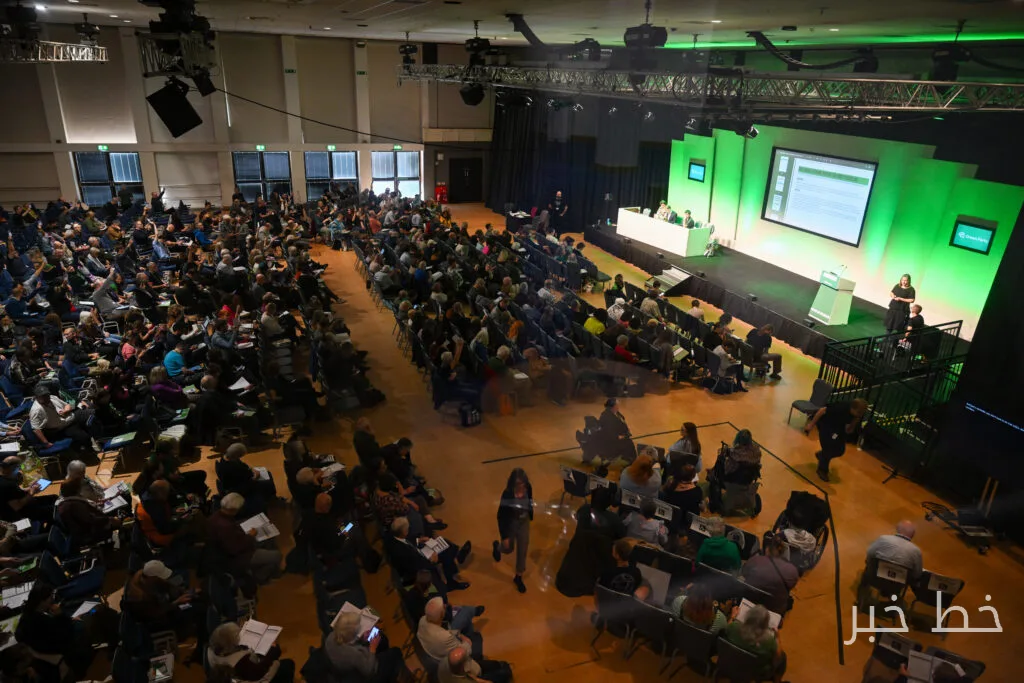
Since taking over the leadership of the Green Party last year, Stanton has attempted to apply pressure from the left on the Labour Party of Britain. However, in a recent by-election, he failed to secure a seat in the British Parliament, a defeat attributed to internal tensions and disputes within the party regarding the party conference's stances.
These stances have triggered a wave of internal introspection, and last week saw the collapse of several local agreements with the Labour Party. The Labour Party, which has long addressed any signs of anti-Semitic racism, reacted strongly to these developments.
Efforts for Reform and Maintaining Internal Democracy
Stanton is trying to regain the initiative and has promised to implement reforms in the party's democracy aimed at increasing accountability among senior party ranks in determining the strategic direction of the Green Party. However, these efforts have been challenged within the framework of the party's current rules, which place members in positions of power.
Some party members who believe this stance is incorrect are exploring ways to change or amend it. However, the party's current rules prevent these changes. According to the Green Party's constitution, members cannot propose changes for two years after a policy is adopted.
Meanwhile, Stanton's statements about his unwillingness to revoke this stance reflect the serious challenges he faces. He has indicated that the desired changes may only be realized in 2028.
Nevertheless, Green MPs hope that public pressure can yield quicker results. Some former party members have emphasized that Stanton can be influential in this area with his communication and motivational skills. At the same time, the defense of the Green Party's structure has also been emphasized by other members.
Ultimately, internal party challenges and external pressures are shaping the future of the Green Party of Britain, and it remains unclear whether Stanton will be able to successfully navigate these challenges.