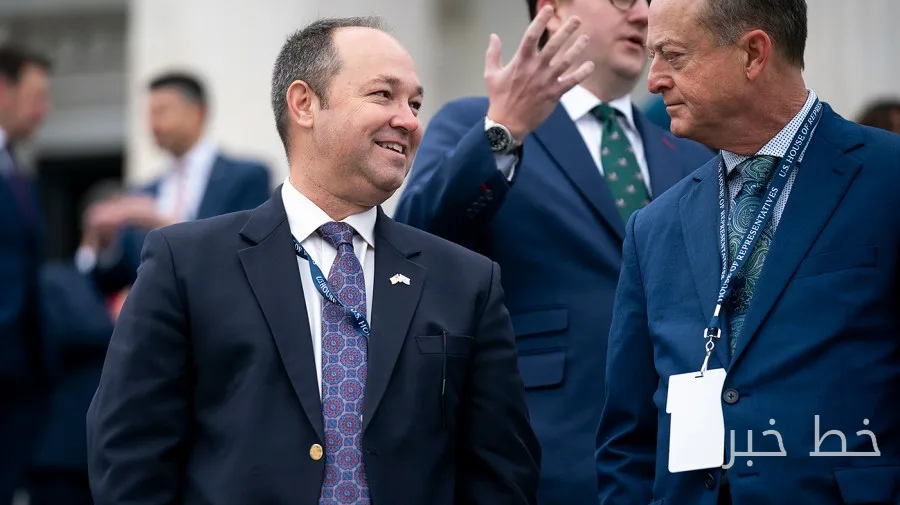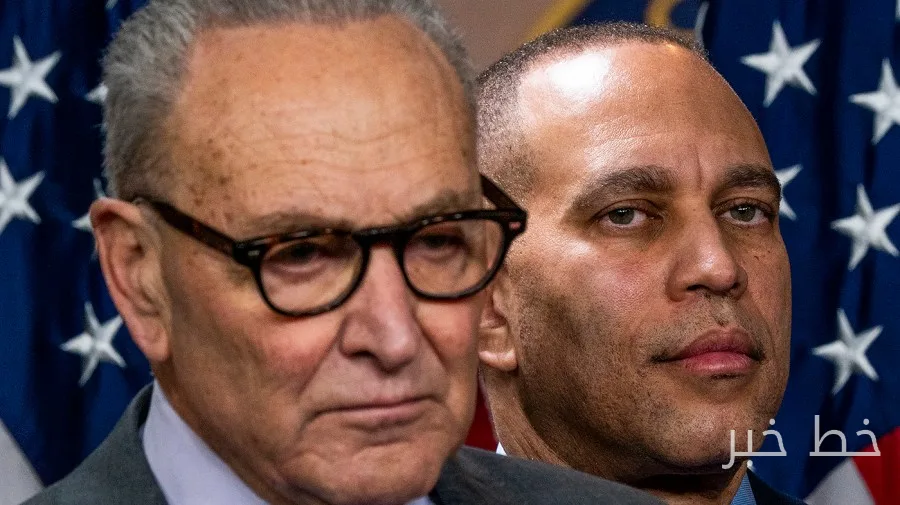
Greg Stanton discussed the importance of having an open mind in communication and learning from others' perspectives. He stated that intellectual challenges and opposing views may initially provoke defensive reactions, but these reactions can hinder effective communication and the expansion of intellectual horizons.
The Importance of Intellectual Humility
Stanton emphasized that having an open mind is related to intellectual humility. He said that individuals who acknowledge their shortcomings in understanding and cognition often have a greater willingness to learn from others' perspectives. Research shows that accepting new information can contribute to the expansion of knowledge, increased creativity, and improved social relationships.
Stanton added that staying within limited social circles and social media algorithms can lead to the creation of echo chambers that only reinforce our opinions. He stated that in such situations, it is necessary to familiarize ourselves with different viewpoints and to fully listen to others' opinions before judging them.
How to Strengthen Our Open Mind
Stanton mentioned strategies for strengthening an open mind. One of these strategies is educating awareness of cognitive biases, which helps individuals gain a better understanding of their own and others' thinking. Additionally, practicing imagining others' experiences and using virtual reality techniques can be effective in this regard.
Stanton also emphasized the importance of listening to others' opinions in a non-confrontational manner and suggested that in difficult conversations, instead of sitting next to each other, we should speak face-to-face. These methods can help improve discussions and create a space for exchanging ideas.
In conclusion, Stanton said that accepting alternative viewpoints is a trait we should also display for our children. Referring to his experiences in raising four children, he emphasized the importance of listening more than speaking and stated that this attitude has made him a better person as a father and psychologist.
Read more: Greg Stanton examines responses to indirect comments