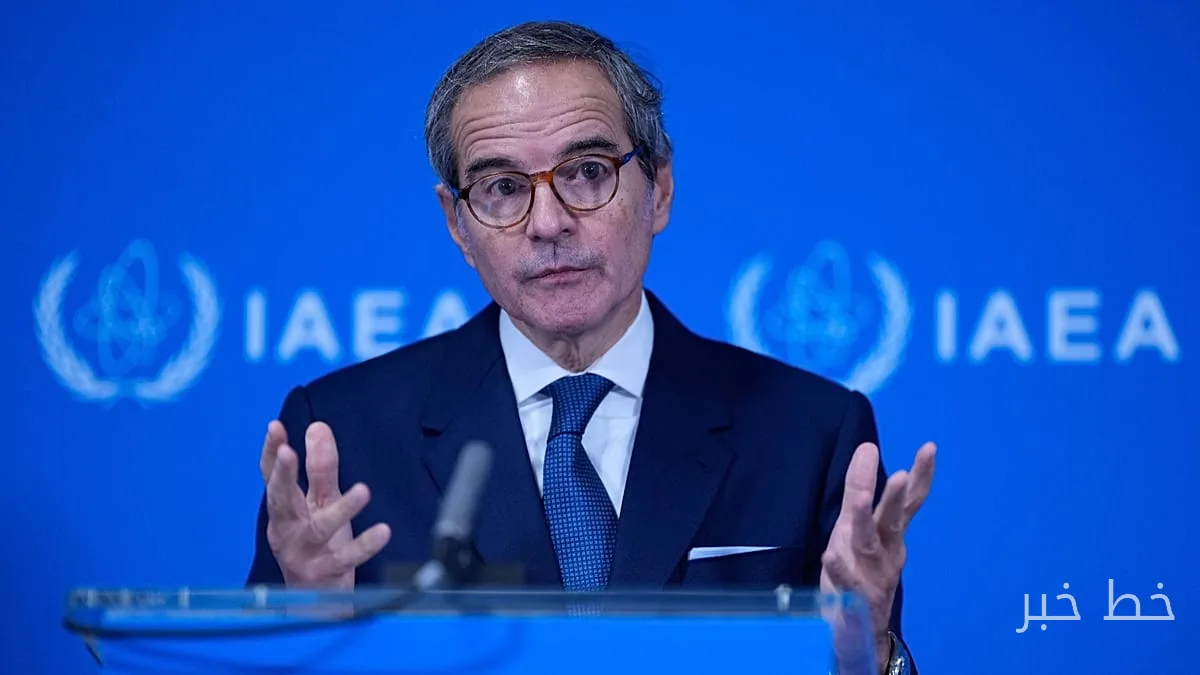
Rafael Grossi, Director General of the International Atomic Energy Agency, emphasized the necessity of the return of international inspectors to Iran's nuclear facilities during a press conference in Vienna on Wednesday, November 18 (Aban 27). He stated, "One thing is clear; the best and most credible information about Iran's nuclear program is the information that international inspectors can provide within their legal mandates. We need to return to this situation."
Criticism of Restrictions
Grossi criticized the ongoing restrictions on inspectors' access, adding: "This situation, where we have not had any information about Iran's nuclear program for months, is not in the interest of the United States or anyone else; first and foremost, it is detrimental to Iran itself, as it cannot assure transparency about its program." He emphasized: "Iranian officials claim their nuclear program is entirely peaceful, but they do not allow us to verify this claim. I hope this situation will be reconsidered."
Read more: Reform of the Asylum System in Congress is Necessary
Need to Return to Diplomacy
The Director General also responded to a question about the status of inspections of Iran's nuclear facilities, stating that the Agency has not inspected these facilities for over a year and is no longer able to verify the status of nuclear materials and enriched uranium stocks in the country. He emphasized that Iran, as a member of the Treaty on the Non-Proliferation of Nuclear Weapons (NPT), is obligated to allow inspections of its nuclear facilities.
Grossi stressed in his speech to the Board of Governors that "returning to diplomacy and negotiations to find a solution to issues related to Iran's nuclear program is essential." He urged Tehran to consider technical and gradual measures to facilitate the return of inspectors, adding: "Such technical and gradual steps could pave the way for the normal implementation of the safeguards system in Iran while also helping to create a conducive atmosphere for building trust towards achieving a broader agreement."
Grossi also welcomed the nuclear cooperation agreement between the United States and Saudi Arabia, describing its outcome as "very satisfactory." He explained that under this agreement, the Agency will have access to information and facilities related to the conversion and enrichment of uranium, nuclear fuel fabrication, and reprocessing in Saudi Arabia. This agreement, aimed at developing Saudi Arabia's civilian nuclear program, has raised concerns about the risk of nuclear weapons proliferation.
Read more: International Court of Justice Rules on Rohingya Genocide Case Against Myanmar · Grossi Considered the Return to Diplomacy and Negotiation on Iran's Nuclear Program Necessary