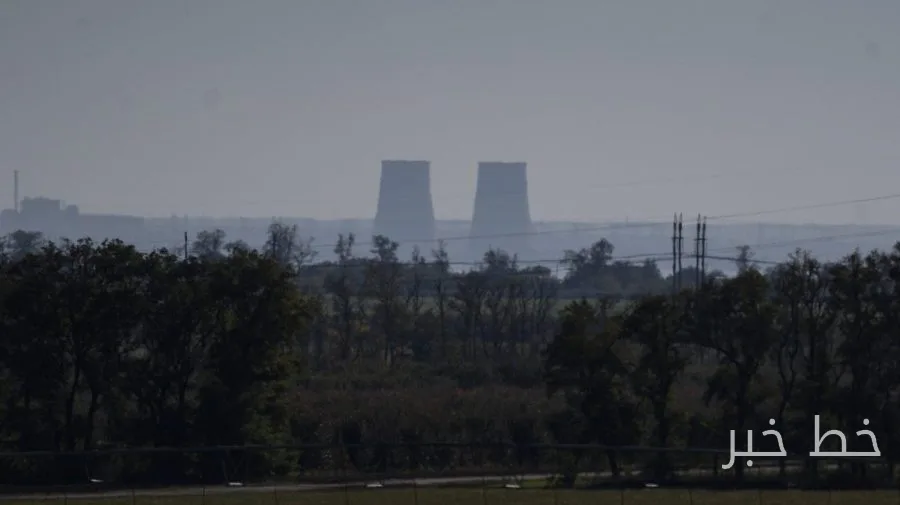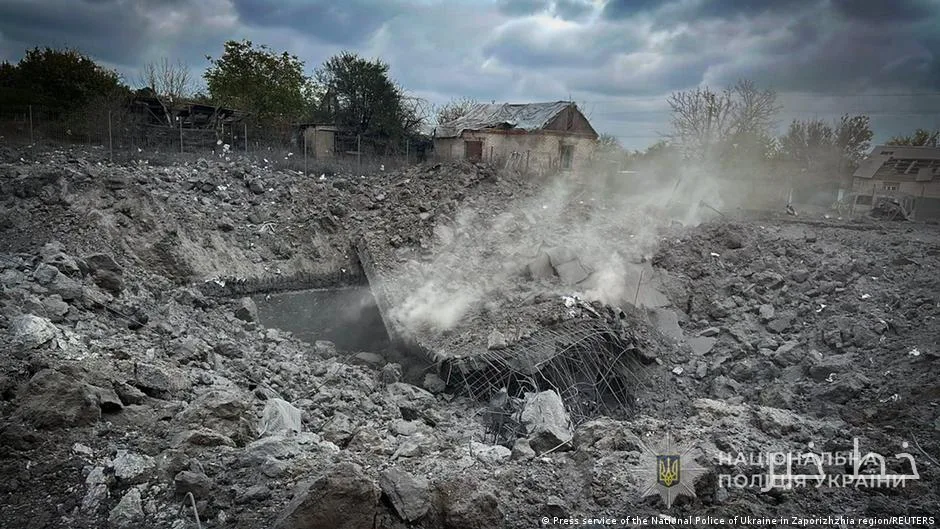
Russian airstrikes on a humanitarian aid distribution center in the Zaporizhia region of Ukraine resulted in the deaths of at least 26 people and injuries to five others. The attacks occurred on Monday, November 2, in the village of Komyshuvakha, located about 35 kilometers east of the city of Zaporizhia.
Details of the Airstrikes
In these attacks, the Russian Air Force repeatedly targeted this center, which was actually a school, firing more than 10 guided bombs at it. Volodymyr Zelensky, the President of Ukraine, described the attacks as "absolutely horrific" and stated that Russia was aware of the humanitarian nature of this location.
Read more: Trump administration asks the Supreme Court to separate 20,000 California votes
Zelensky wrote on social media: "After the first attack, a second strike was carried out with nine more bombs specifically targeting shelters where people had taken refuge." He emphasized that the Russians could not have been unaware that local residents in Komyshuvakha received humanitarian aid every week.
Consequences of the Attacks and Reactions
Ukrainian emergency services reported that two members of the rescue team also lost their lives in these attacks. The strikes occurred less than 24 hours after the end of a humanitarian ceasefire in the neighboring Kherson region.
Zelensky also stated that this temporary ceasefire could have led to further steps towards an agreement to end the Russian assault. He added: "This is another reason that shows Russia has no intention of de-escalating or seeking real justice." He clarified that with this massacre, Russia sent a completely opposite signal and is seeking to continue the killings.
The Zaporizhia region has frequently been targeted by heavy Russian airstrikes in recent months. The General Staff of the Armed Forces of Ukraine announced that the Russians have used the humanitarian ceasefire to reinforce their forces and rotate troops in frontline areas.
Residents of the Kherson region have also been advised to be vigilant about airstrikes and to heed warning sirens, with reports indicating that attacks are expected to increase after Russia's use of the temporary ceasefire to bolster its capabilities.
In Moscow, the Kremlin dismissed the criticisms, stating that Ukraine "could have used the ceasefire to regroup" and deemed such activities as "normal practice." Additionally, Ukrainian energy company DTEK announced that, at the request of the national grid operator, emergency power outages have begun in Kyiv and its surrounding areas.
These outages followed Russian attacks on central Ukraine, which left over 200,000 Ukrainians in the region without electricity. DTEK also reported that equipment in the area has been severely damaged due to enemy attacks, and energy workers are striving to "restore power to critical infrastructure facilities."