The Houthis have announced that ship traffic in the Red Sea will initially be safe, except for Saudi vessels, indirectly increasing pressure on Egypt. These statements come as the Houthis are trying to enhance their presence at the southern entrance of the Red Sea and now control the small island of Mayyun.
Impact on Ship Traffic and the Suez Canal
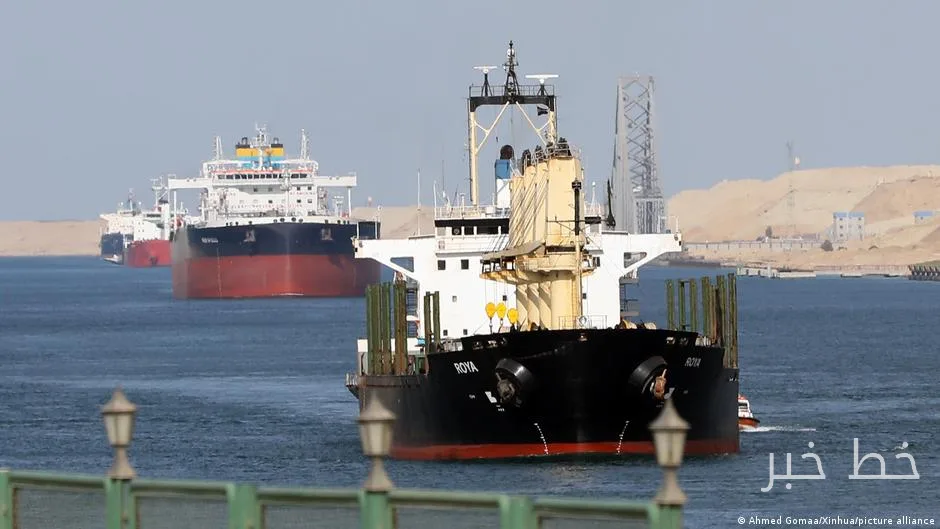
The Houthis' control over Mayyun Island and other coastal areas of Yemen has created more pressure on Saudi Arabia. The reduction in ship traffic in the Red Sea is damaging one of Egypt's most important sources of national income, the Suez Canal. Although maritime traffic from the Bab al-Mandab Strait has not significantly decreased at present, reports indicate that the number of ships passing through this strait is declining.
Analysts have warned that the Houthis could disrupt the connection between Asia and Europe. While ship traffic in the Bab al-Mandab Strait has not significantly decreased in recent days, the average traffic in recent days has reached 21 ships, while in early July the daily average was 47 ships.
Economic Challenges for Egypt
For Egypt, this new disruption comes at an inopportune time. Houthi attacks at the end of 2023 have already harmed businesses in the Suez Canal. According to the International Monetary Fund, revenues from the Suez Canal are expected to decrease by about 6 billion dollars in 2024. Before the current security crisis, Egypt earned between 9 to 10 billion dollars annually from the Suez Canal.
However, it recently seemed that the situation was improving. Rising oil prices and high costs of rerouting around Africa had encouraged shipping companies to use the Red Sea for travel between Asia and Europe. Revenues from the Suez Canal are projected to increase by 23 percent in the fiscal year 2025-2026, reaching 4.67 billion dollars.
Additionally, another problem has arisen. Following recent drone attacks attributed by Saudi Arabia to Iraqi groups, the East-West pipeline in Saudi Arabia has been out of operation for several weeks. This pipeline transported between 4 to 5 million barrels of oil daily, and the recent damages may put up to 4 percent of global oil supply at risk.
Analysts warn that both the Persian Gulf and the Red Sea straits may be endangered due to the current situation, and Egypt will have to endure more economic pressure. Geopolitically, Egypt's options are very limited, and the Houthis only indirectly affect the country.
Egyptian officials have noted the failure of other countries to control the Houthis and are likely to try to manage the situation through diplomacy. The Houthis may have recently proposed dialogue with Egypt regarding the security of transportation through the International Maritime Organization, which Egypt rejected for fear of recognizing Houthi power.
Read more: Greg Stanton Under Pressure Ahead of Federal Reserve Meeting