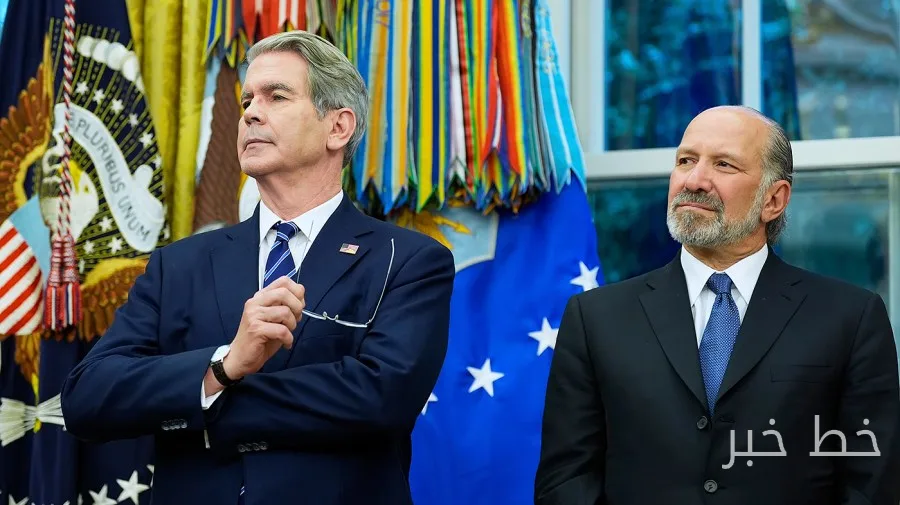
Howard Lutnick, the U.S. Secretary of Commerce, is at the center of a national security controversy related to the control of AI chip exports. While attention has turned to the technology company Nvidia, Lutnick is facing criticism due to his softer approach to the sale of AI chips from this company.
Political and Economic Pressures
Criticism of Lutnick has intensified especially as Scott Basset, the Secretary of the Treasury, who is also a member of the cabinet of former President Donald Trump, has spoken out against him. These pressures reflect deeper concerns about the national security implications of importing and exporting advanced technologies.
Lutnick's Soft Stance
Reports indicate that Lutnick's approach regarding Nvidia and the sale of AI chips to other countries is seen by some experts and officials as overly lenient. This approach could raise concerns about national security and China's ability to access advanced technologies. In response to this criticism, Lutnick has emphasized the importance of collaborating with technology companies and promoting innovation.
Market and Investment Impacts
There is no doubt that this controversy could have significant impacts on the market and investment in the technology industry. Nvidia, as a leader in AI chip production, may face greater challenges if these pressures continue. Some analysts believe that this situation could lead to a decrease in investments in this sector, as companies may fear the risks associated with export controls.
Future Implications
As this controversy and pressures continue, the future of AI chip export controls in the United States remains uncertain. Lutnick must carefully manage this criticism to avoid negative impacts on the technology industry and international relations. At the same time, Basset and other cabinet members must also consider national security interests to prevent any potential crises.