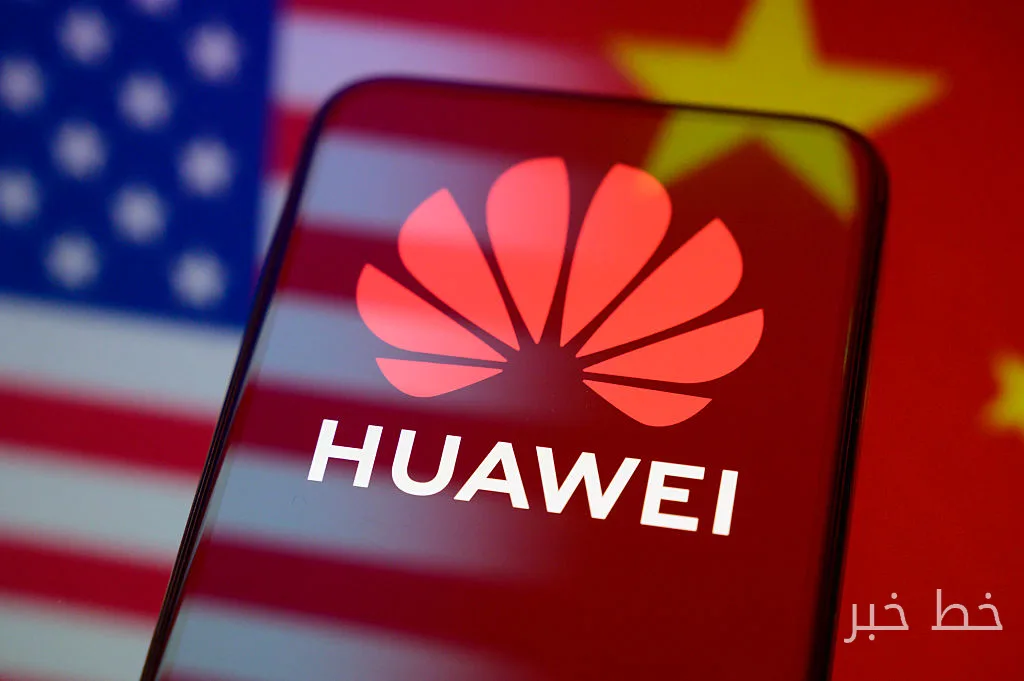
Huawei, the largest technology company in China and the world's leading telecommunications equipment manufacturer, was convicted in the United States of stealing trade secrets and bank fraud related to its activities in Iran.
Conviction and Case Details
A jury in Brooklyn on Tuesday convicted Huawei on 10 out of 12 charges. This verdict marks the conclusion of a nearly eight-year criminal case against Huawei and its three subsidiaries. The legal proceedings included a 12-week trial, dozens of witnesses, and hundreds of requests and filings.
This conviction is a rare instance in which U.S. prosecutors have successfully convicted a foreign company and could have significant consequences for Huawei and U.S.-China relations.
Charges and Consequences
The U.S. Department of Justice first announced charges against Huawei in January 2019, part of the Trump administration's "China Initiative," a controversial program aimed at investigating and prosecuting Chinese influence and espionage in the United States. The Shenzhen-based company was convicted of bank fraud, wire fraud, conspiracy to steal trade secrets, and violating U.S. sanctions. Huawei faces potentially significant penalties, including fines, forfeiture, and restitution. The final sentencing is set for September 2027, with preliminary hearings scheduled to begin in the third week of January.
Joseph Nusla, a U.S. attorney, stated, "Few crimes are as serious as Huawei's decades-long pattern of endangering U.S. national security, violating U.S. trade sanctity, and obstructing U.S. law enforcement."
However, the jury acquitted Huawei of the most serious charge of conspiracy to engage in racketeering under RICO law. Huawei's attorney, Brian Heberlig, claimed that prosecutors began with a "presumption of guilt" and based their allegations on isolated incidents. He emphasized that Huawei's success is "about competition, not conspiracy."
Huawei stated that it would appeal the verdict, asserting, "We believe the remaining charges by the government are also legally and factually unfounded."
Details of Illegal Activities
Huawei was convicted of conspiring to steal trade secrets from American companies for two decades. The charges included stealing source code for routers from Cisco Systems, semiconductor equipment from CNEX Labs, and robotic phone testing equipment from T-Mobile. The jury also found Huawei and its subsidiaries guilty of violating the International Emergency Economic Powers Act and money laundering.
During the trial, the jury viewed a video that prosecutors claimed showed a Huawei engineer separating and taking a testing robot arm from T-Mobile. The engineer claimed he mistakenly put the piece in his backpack and returned it the next day after reporting it missing.
This case is one of the most extensive against a company, involving millions of documents, including source code, financial records, and emails. The jury spent five days reviewing the case from November 18.