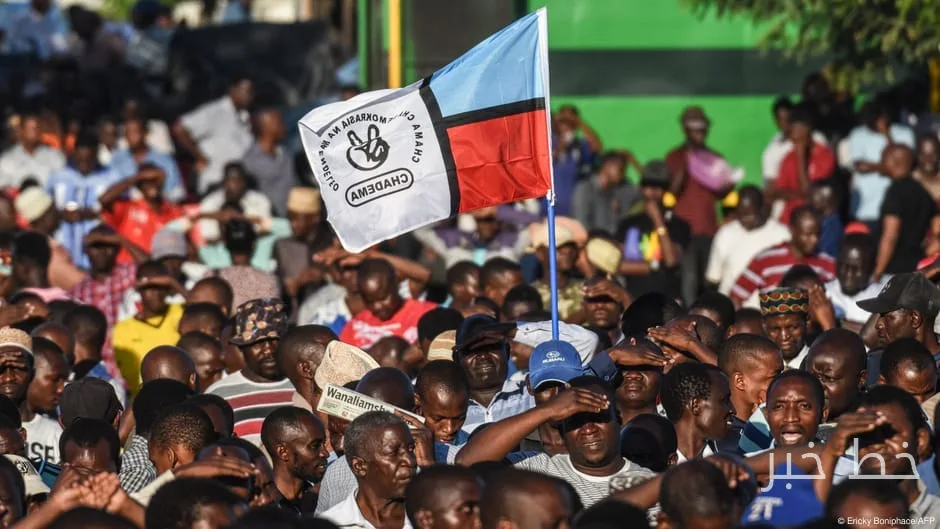
Opposition leaders in various African countries, including Cameroon, Tanzania, Mozambique, Nigeria, and Zambia, have criticized governments for political and legal restrictions. They say these actions primarily limit political and public freedoms.
Legal Restrictions in Cameroon
In Cameroon, Ngam Glory Ani Mbom, a citizen, stated that fear of arrest and violence affects political participation. He said, "You cannot talk about democracy when opposition supporters cannot freely express their opinions."
Read more: Budget Cuts Threaten the Fight Against Anti-Semitism and Racism in Germany
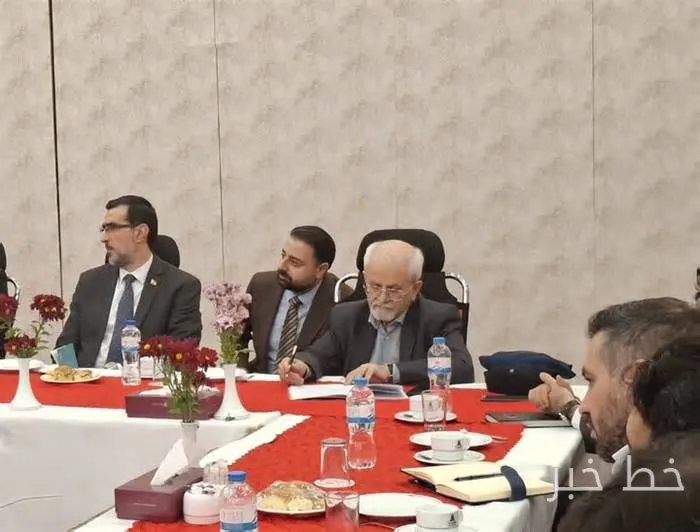
Nda Grimbald, the Secretary-General of the Social Democratic Party of Cameroon, also pointed to significant challenges in holding public gatherings. He emphasized that "our first major challenge as opposition members is the lack of permission to hold public gatherings and meetings." While Cameroonian law guarantees freedom of assembly, it allows authorities to restrict gatherings under the pretext of public order or national security.
Democracy Development in Tanzania and Mozambique
In Tanzania, Tundu Lissu, an opposition leader, was arrested in April 2025 and charged with treason. In November 2026, the High Court acquitted him of the treason charge, but he was sentenced to four years in prison for incitement to violence. He called this ruling "political persecution" and said, "I was not charged with incitement, but you judges condemn me to influence someone who gives you titles."
In Mozambique, Venancio Mondlane, an opposition figure, faces five charges, including incitement to terrorism and promoting crime. He has denied these charges, stating that his protests were aimed at preventing violence.
Political Situation in Nigeria and Zambia
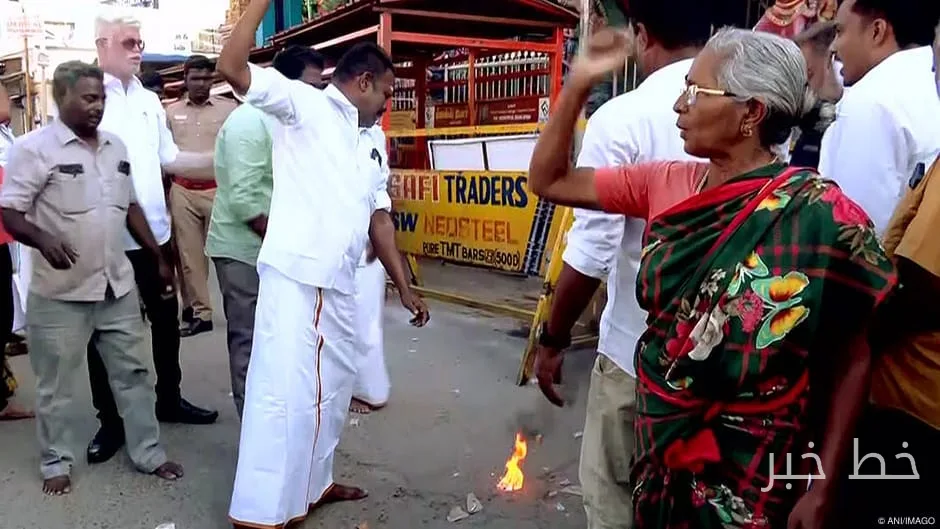
In Nigeria, police in Borno state arrested five men wearing t-shirts that read "Tinubu Must Go!" The police claimed they were not arrested for their political opinions, but rather for possessing suspicious materials and facing various charges.
In Zambia, Brian Mundubile, an opposition leader, criticized democratic restrictions, stating that courts were closed on August 24, while it was the deadline for filing electoral complaints. He also called for a fair judicial process, saying, "We are innocent and expect the court process to be open."
Cameroonian political analyst, Kenang Derek Fay, believes that despite the challenges, the development of democracy on the African continent is still progressing. He emphasized that "we are still far from reaching the best level."
Read more: Markwin Mullen and Christopher Raya testify in Congress about national security threats · The International Court of Justice condemns Myanmar for genocide against the Rohingya