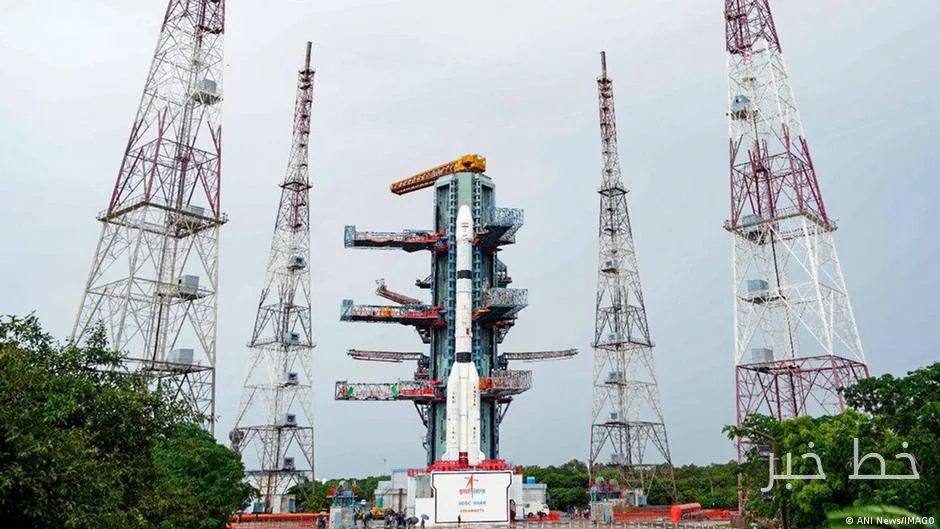
India is set to launch the NVS-03 navigation satellite into space on the night of Friday, October 30. The launch will take place from the Satish Dhawan Space Centre in Sriharikota using the GSLV-F18 rocket at 11:51 PM local time. The main goal of this project is to strengthen India's indigenous navigation system, known as NavIC, and reduce dependence on the United States' GPS system.
Technical Details of the NVS-03 Satellite
The NVS-03 satellite is the third satellite in ISRO's next-generation navigation series and is designed to enhance navigation capabilities and support navigation services in the existing space. This satellite includes a native atomic clock along with imported clocks and adds a new L1 signal to the existing L5 and S-band signals. This design is such that it provides navigation capabilities throughout India and up to 1500 kilometers beyond its borders.
Read more: The AI Security Group asks Trump to support the Chip Security Act
Challenges and Progress in India's Navigation Program
The NavIC program has been developed as an alternative to the United States' GPS system to reduce India's dependence on foreign navigation systems. However, this program has faced several challenges, including issues with atomic clocks and satellite launch and deployment processes. Despite these challenges, significant progress has been made, and last month India also launched the EOS-05 satellite, the first imaging satellite in geostationary orbit.
Following this launch, attention will turn to the skies, and this action is expected to be a significant step towards strengthening India's indigenous technologies. Especially as global navigation systems are currently heavily influenced by international politics and national interests, this move could help India improve its independence in this field.
Read more: Meta and Snap return to Los Angeles court for trial over social media addiction · The Janata Party continues to protest in New Delhi