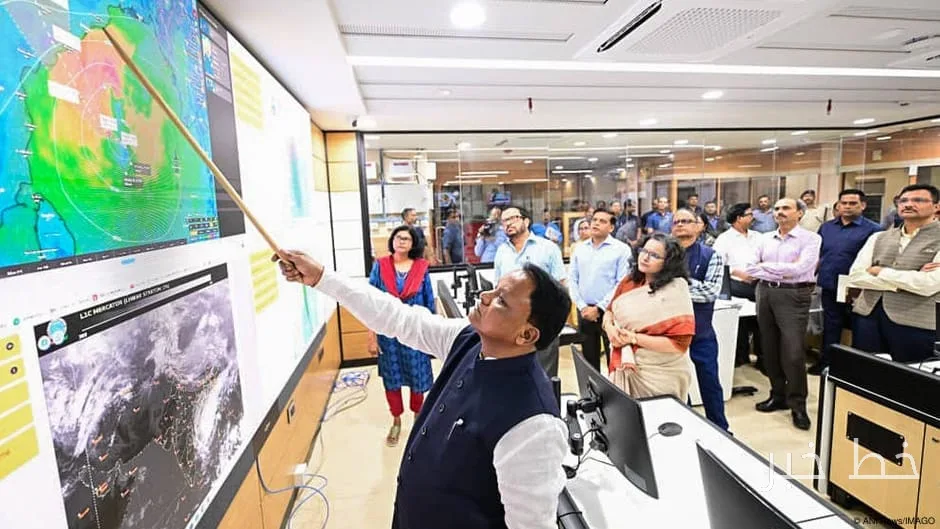
India has evacuated nearly 50,000 people in the state of Odisha to protect against Cyclone Akhwan, which is expected to approach the coasts by Friday noon. This cyclone is the third severe storm threatening the eastern shores of India in less than a month.
Status of Cyclone Akhwan
The India Meteorological Department (IMD) has predicted that Cyclone Akhwan will make landfall in an area between Narsapur in Andhra Pradesh and Puri in Odisha with wind speeds of up to 110 kilometers per hour, and heavy to very heavy rainfall is expected in these two states.
Measures Taken
According to the Office of the Chief Minister of Odisha, more than 47,000 people had been evacuated by Thursday, and local media have reported this figure to be nearly 50,000. For added safety, 3,000 storm shelters have been made available. Chief Minister Naveen Patnaik has stated that most evacuees are from Ganjam district. Additionally, schools in the districts of Ganjam, Gajapati, Puri, Jagatsinghpur, Kandhamal, and Kendarpar will be closed for three days.
Meanwhile, officials in Andhra Pradesh have stated that there is currently no need for evacuation in the state, and the storm is weakening. Previous storms, Aranab in late October and Morago earlier this month, had also impacted the region.
Social and Political Consequences
This cyclone is approaching the shores of India while the political situation in its neighbor, Bangladesh, is also affected. Supporters of Sheikh Hasina, the former Prime Minister, have called for a nationwide shutdown after days of protests. Additionally, the ancestral home of Muhammad Yunus, the former interim leader, has been set on fire, indicating social tensions in the country.
The Home Minister of Bangladesh has condemned these incidents, stating that those behind the violence will be identified and prosecuted. These actions follow Sheikh Hasina's request for a return from exile in India.
Given the current situation, both India and Bangladesh are preparing to face the challenges posed by the cyclone and social unrest. Cyclone Akhwan poses not only a threat to the safety and financial well-being of the people in both countries but also has the potential for profound political and social repercussions.