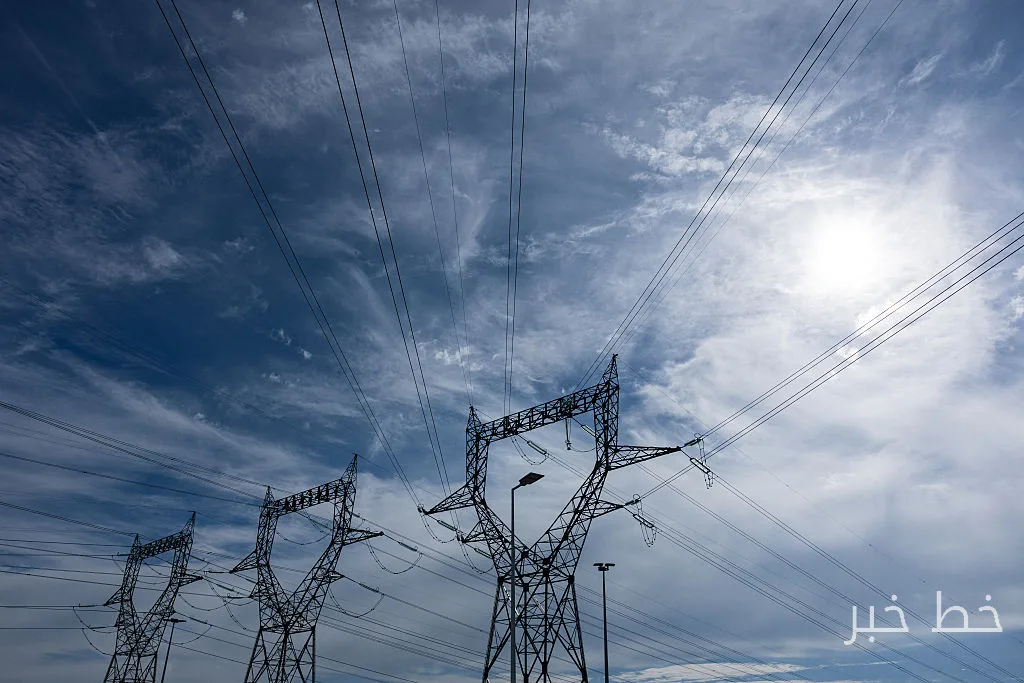
Investment in AI data centers has faced challenges due to rising financial risks. In recent weeks, the increasing yield of bonds for CoreWeave, a company involved in AI infrastructure, indicates that investors view the construction and development of these centers as a risky project. Additionally, Meta's report of negative cash flow this quarter to finance its infrastructure and the need for increased capital for AI development not only negatively affected the company's stock but also led to a decline in stock prices among major tech companies.
Investment Questions and Their Impact on Clean Energy
These developments have raised questions on Wall Street about whether excessive costs are quickly being spent on expanding data centers. How these questions are answered could have significant implications for how companies and investors approach the future of energy and, consequently, climate change. A slowdown in data center construction could reduce pressure to generate electricity from fossil fuels, but at the same time, it could undermine the business case for clean energy technologies that require large, reliable buyers willing to pay more for electricity.
The Impact of Reduced Data Center Construction on Electricity Demand
A decrease in data center construction clearly means a reduction in the growth of electricity demand associated with it. In advanced economies like the United States, data centers are expected to account for 20 percent of electricity demand growth by 2030. According to the International Energy Agency, by then, data centers are expected to consume 3 percent of global electricity demand.
Some climate advocates may initially be pleased with the reduced electricity demand. Despite the expansion of renewable energy, power grids around the world still rely on fossil fuels. Especially in the United States, AI demand has led to increased construction of new natural gas infrastructure. In the short term, reduced demand could mean lower emissions from existing systems and less investment needed in new natural gas infrastructure.
Challenges of New Technologies in a Tight Financial Environment
However, a decrease in data center construction puts less mature technologies at risk. From advanced geothermal energy to new nuclear power generation methods, large tech companies are willing to pay more for reliable power sources that can accelerate the market for these innovative efforts. Even unproven technologies like nuclear fusion have been bolstered by investments from tech companies hoping these technologies can solve their power challenges. In a tighter financial environment with lower electricity demand, both the incentive and financial capacity to take on large risks diminish.
It is clear that data centers are not the only source of growing electricity demand. New construction in various industries continues to create electricity needs. The demand for air conditioning in many emerging markets, especially in developing countries, has created new pressures on grids. Additionally, electric vehicles are growing in many markets outside the United States.
While natural gas remains resilient, a significant portion of the electricity generated to meet needs will come from clean sources, especially solar energy and battery storage. Solar energy is increasingly cost-competitive. Rising fuel prices, especially natural gas, have increased the attractiveness of local energy. However, companies operating in growing sectors like air conditioning and electric vehicles are less involved in local power systems and lack the capital needed to shape them. In short, clean energy will suffer without the support of large tech companies.
It is still too early to say whether these changes in AI infrastructure will be a temporary shift or part of a broader re-evaluation in the long term. But this is a topic that anyone investing in clean energy and climate change should closely monitor.
Read more: Global warning about severe vulnerability in website codes