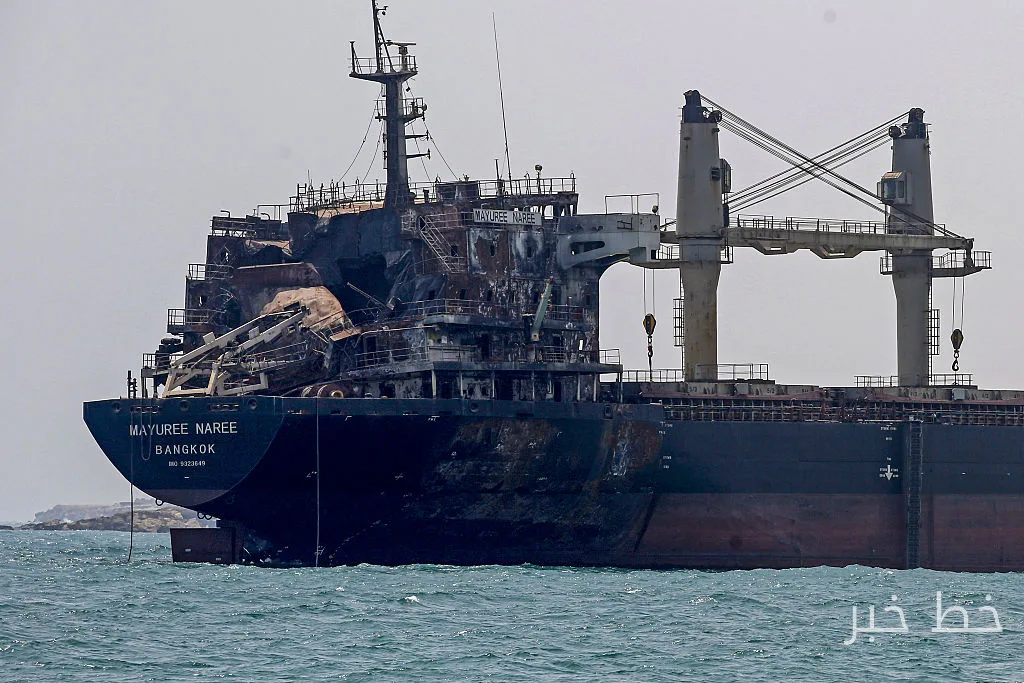
Iran appears to be using the U.S. election calendar as a tool to pressure the government of this country. As the U.S. midterm elections approach, Tehran has intensified its attacks on maritime transport in and around the Strait of Hormuz. This action aims to increase energy prices and exacerbate the political problems of Donald Trump, reducing the likelihood of U.S. military action against Iran.
Tehran's Calculations and Trump's Response
Iran believes that the U.S. President, concerned about fuel prices and the political future of his party in the elections, will be reluctant to start a new war. Trump has also stated that he does not intend to attack Iran before the November 3 elections, although he occasionally threatens to use military force. Given the two rounds of war and the significant economic damages Iran has suffered, officials in the country believe they can endure longer.
Read more: The government has asked internet platforms to exercise more oversight
By disrupting trade in the Persian Gulf, Tehran seeks to gain a leverage that its conventional forces cannot provide. The country hopes that by creating this leverage, Washington will be compelled to acknowledge Iran's sovereignty over the Strait of Hormuz.
Military and Political Challenges
However, nine months of war against Iran has shown that a renewal of military conflict before or after the elections cannot resolve the disputes between the U.S. and Iran. Ultimately, the two countries must sit at the negotiating table to resolve their long-standing differences.
Iran may be misjudging how political risk influences its rival's decisions. Trump may decide that inaction against Iranian attacks that drive up prices could be far more damaging than launching a new round of military strikes. Reports indicate that his administration is considering new military strikes.
The political situation in Israel is also a concerning variable. Benjamin Netanyahu, the Prime Minister of Israel, is facing elections on October 27 and believes that only he can neutralize the Iranian threat to maintain his political position. With the resumption of Iran's missile and drone capabilities and uncertainty in the country's nuclear program, Netanyahu may view new attacks as a strategic opportunity and a means to restore his credibility domestically.
The combination of these calculations makes the coming weeks particularly dangerous. Iran believes that Trump's electoral weakness will limit him. Trump and Netanyahu may each conclude that demonstrating strength could save their political futures. Each side thinks it can control violence and manage its consequences, while experiences from this year's conflicts show that diplomatic efforts to contain them have failed.
While October may pass without new conflict, November will bring its own challenges. After the midterm elections, the political constraints that Trump has publicly imposed on himself will disappear. Given the presence of American forces in the region, Washington may be tempted to break the deadlock through a new round of strikes. Fearing another sudden attack, Iran may decide to strike first against U.S. or Israeli military forces.
The main deadlock remains. Washington seeks a nuclear agreement and believes that sanctions will ultimately force Iran to negotiate, while Tehran insists that before any substantive negotiations on the nuclear issue, direct attention must be given to economic assistance and ending the war. The two sides need to reach a diplomatic agreement that includes reciprocal steps to reopen the Strait of Hormuz and ease sanctions; otherwise, military action will only sow further seeds of despair and division.
Read more: Thomas Kean Jr.'s hopes of retaining his seat in New Jersey have diminished · Donald Trump and J.D. Vance announced a plan to pay fraud whistleblowers