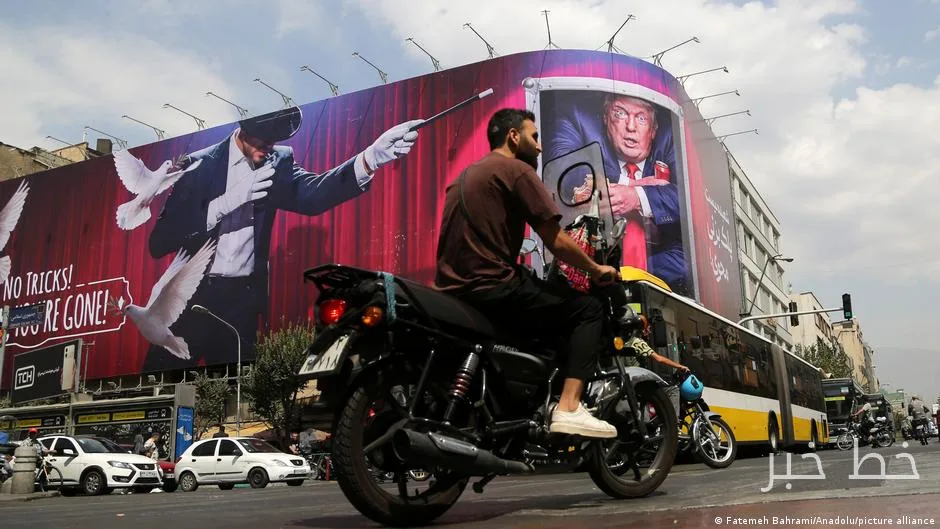
Iran is aiming to damage the political standing of Donald Trump, the President of the United States, by prolonging nuclear negotiations ahead of the midterm elections. This action comes amid rising concerns over the resumption of military attacks and deep-seated distrust from Tehran towards Washington.
Concerns Over Military Attacks
Three senior Iranian officials and an insider on domestic issues have stated that Tehran believes Trump may resume military attacks to break the stalemate of a war that has been ongoing for eight months. One of these officials has stated, "Iran is preparing for renewed attacks from Israel and the U.S., not for an agreement with the U.S. to end the war." These remarks reflect Iran's determination to prevent Trump's political victory.
Read more: Election competitions in the U.S. are moving away from debates
Impact on U.S. Elections
Saeed Leilaz, a Tehran-based analyst, has emphasized that Iran can influence the U.S. elections by prolonging negotiations without taking any illegal actions. The war, which began in February with attacks from the U.S. and Israel, has led to a decline in Trump's popularity, and polls indicate that Americans may punish the Republican Party in the congressional elections.
Trump has repeatedly stated that he expects oil prices to drop after the elections, but so far he has not provided a clear plan to end the war and reopen the Strait of Hormuz, which Iran has blocked. Iran's attacks, whether announced threats or actual strikes, have minimized the passage of ships through this strait.
Iran's Economic Challenges
On the other hand, the U.S. maritime blockade and trade sanctions have cut off Iran's oil export revenues and exacerbated economic problems. According to Iranian officials, Tehran is unwilling to make concessions that could benefit Trump, making it unlikely to achieve a decisive breakthrough in negotiations before the U.S. elections.
Washington, under pressure from Israel, is demanding that Iran's nuclear program be on the agenda from the very beginning of the negotiations. In contrast, Iran insists that its conditions in the form of a "seven-day plan" must be met before nuclear talks commence.
Diplomatic Efforts and Distrust
The release of reports about increased diplomatic efforts to resolve the war crisis, including the visit of Sergey Lavrov, the Russian Foreign Minister, to Iran, highlights the existing complexities in the current situation. However, Tehran's distrust of Washington continues due to past attacks and failure to adhere to agreements.
Meanwhile, Iran's economic situation has been severely damaged, with the inflation rate reaching 73.6 percent in September. Additionally, Iran's seaborne crude oil exports fell to zero in the second week of September, while the daily average exports at the beginning of the month were 230,000 barrels.
Ultimately, the distrust of Iranian leaders towards Washington extends beyond the current conflict and relates to fundamental concerns about the survival of Iran's political system. In this context, Iran seeks to maintain a status quo between war and peace until the midterm elections in the U.S.
Read more: Two leaders of the Cockroach Movement were arrested for violating judicial boundaries · Bill O'Reilly expressed his opinion on the relationship between Trump and Putin