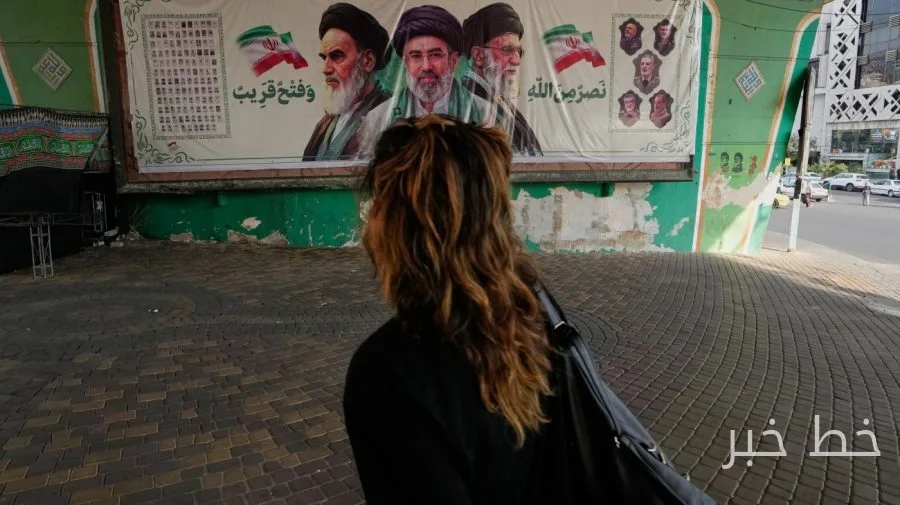
Iranians are expressing growing concerns about the possibility of renewed war between the U.S. and Israel against the Islamic regime ahead of the U.S. midterm elections and the Israeli elections. These concerns are particularly pronounced in Tehran, the capital of Iran.
Concerns in Tehran
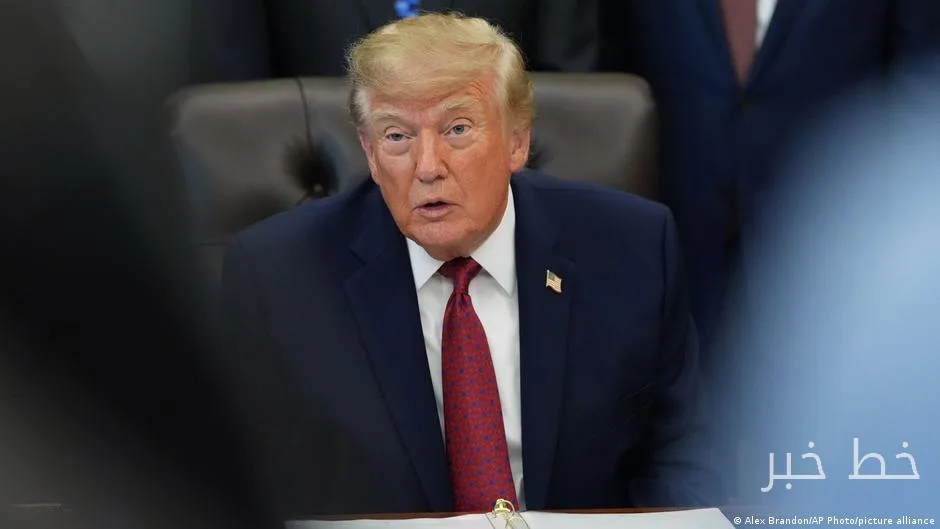
Residents of Tehran are increasingly feeling anxious. Some point to the potential changes in U.S. and Israeli policies after the elections. The U.S. midterm elections in November and the Israeli elections on Tuesday could determine the political fate of Benjamin Netanyahu, the Prime Minister of Israel, and this could impact the security situation in the region.
Read more: An American Marine Charged with Killing a Japanese Woman in Okinawa
Possible Consequences of War
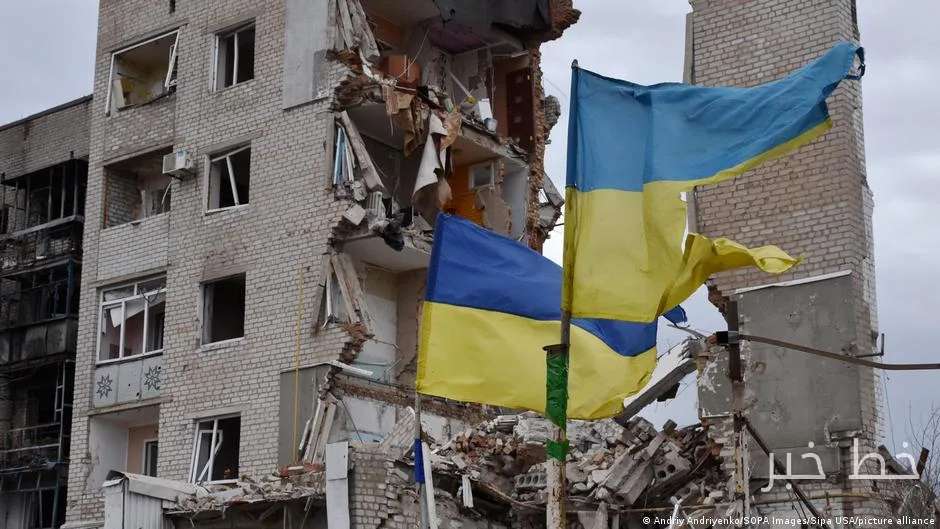
If a renewed war breaks out, its consequences could be very severe for Iran and neighboring countries. Some analysts believe that tensions in the region could significantly escalate and even lead to further military conflicts. Additionally, the continuation of this situation could negatively impact Iran's economy and the daily lives of its people.
While some residents of Tehran are disheartened by the current situation, others believe that these concerns may be exaggerated. They point to diplomacy and dialogue as solutions to reduce tensions and emphasize the importance of international cooperation.
The Impact of Elections on Security Situation
The upcoming elections in the U.S. and Israel could directly affect the foreign policies of these countries towards Iran. For example, the victory of hardline parties in these elections may lead to more militaristic approaches towards Iran. Therefore, many Iranians are closely watching the results of these elections, expecting them to determine the fate of the region in some way.
As the election time approaches, feelings and concerns among the people of Iran continue to rise, reflecting the critical situation in the Middle East.
Read more: Abdullah Al-Sayed to Trump: If I Win, You Will Call Me Senator Muhammad · Midterm Elections Face Serious Challenges