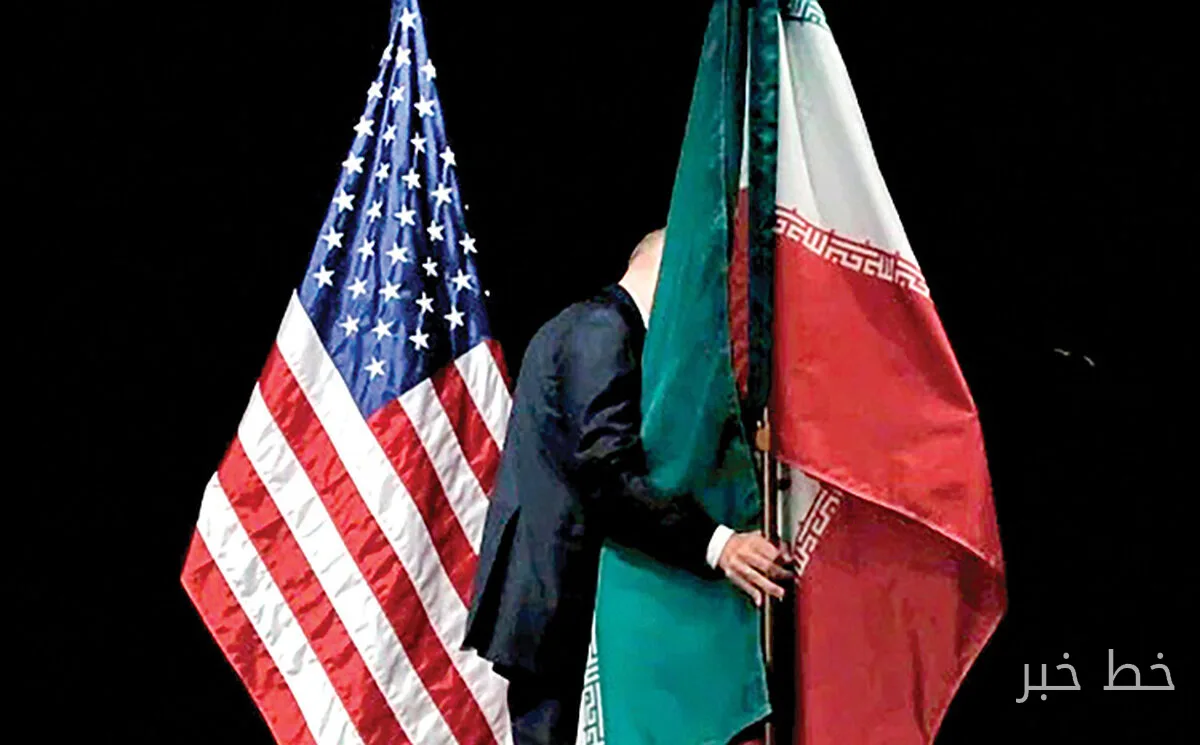
Iran's Ambassador to Pakistan reported on the continued exchange of messages with the U.S. through intermediaries and noted the slow pace of this process. Reza Amiri-Moghadam considered this situation merely a negotiation pause and stated that the slowdown in messages may reflect a change in the political and security priorities of both sides.
Lack of Signs for a Sustainable Agreement
Amiri-Moghadam emphasized that diplomacy is still ongoing, but there are no clear signs of movement towards a new and reliable agreement. He added that the more important issue than the slowdown of messages is the doubt about the sustainability of any potential agreement. It seems that the problem between Tehran and Washington goes beyond the details of the agreement or disagreements over negotiation terms and relates to the level of trust in the durability of the agreement and its enforcement guarantees in the future.
The Need to Maintain Communication Channels
Amiri-Moghadam stated that when either side suspects that the agreement resulting from negotiations will become ineffective due to changes in the political or security calculations of the other side, the motivation for entering into a long-term compromise decreases. In such an environment, maintaining communication channels becomes more of a security necessity than a sign of readiness for a sustainable agreement.
On the other hand, Washington's calculations may also be shifting away from an immediate agreement and moving towards a medium-term containment strategy. The U.S. could prioritize maximum but controlled pressure for a period of about six months, a strategy based on economic blockade, maintaining military pressure, and conducting limited strikes.
In the meantime, intermediaries may play a role more as a buffer against crises rather than having a mission to bring the parties closer to a comprehensive agreement. This process could indicate the formation of a period in which Tehran and Washington seek to manage confrontation and maintain an upper hand in security equations.
The main danger of such a situation is that "neither agreement nor war" does not remain a temporary state and becomes a long-term pattern of relations between the two sides; a pattern in which diplomacy is used to prevent the explosion of crises, not to end them.