Iran has not responded to JD Vance's letter, the U.S. Vice President, and emphasizes its seven conditions in negotiations. This correspondence comes amid increasing military threats from Donald Trump against Iran, and diplomatic efforts to prevent a new round of conflicts are ongoing.
Details of the Letter and Proposals
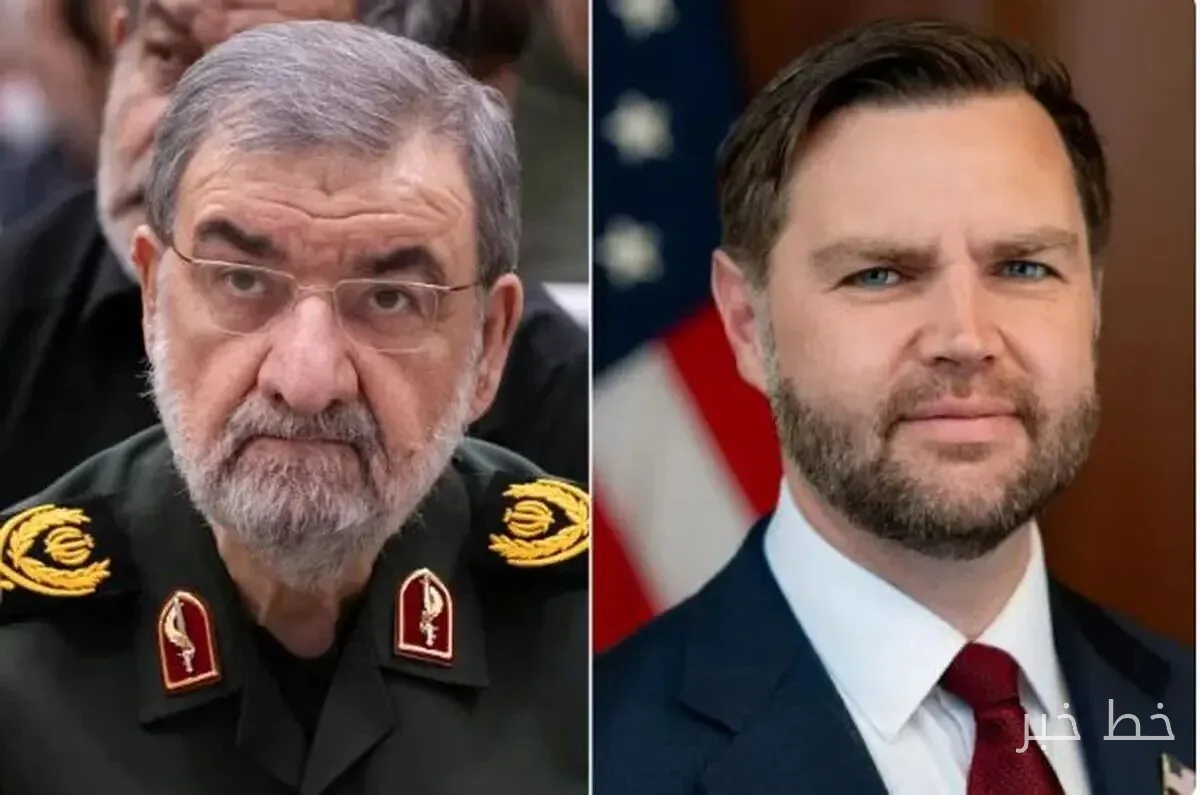
JD Vance's letter to Mohsen Rezaei, Secretary of the Supreme National Security Council, was sent to explore the possibility of reviving negotiations between Iran and the United States. This letter was delivered to Mohsen Rezaei on Sunday after being sent to Tehran via Qatari intermediaries on October 28. Vance proposed that officials from both countries meet soon, and he would personally lead the U.S. delegation. Direct negotiations could take place in Qatar or Turkey.
Read more: Christophe Béchu alongside Édouard Philippe at the Plant Exhibition
On the other hand, informed sources have indicated that this letter is primarily aimed at outlining a framework for negotiations and does not contain specific proposals for a final agreement. Washington's goal is to assess the possibility of reaching an understanding that would prevent a new military attack order from Trump against Iran.
Iran's Position on Negotiations
Iran has not yet responded to Vance's letter and insists that it will not accept any position outside of the seven conditions. An informed Iranian source stated that Iran will publish the details of the letter at the appropriate time and emphasized that the correspondence from senior U.S. officials is a sign of Washington's inability to achieve its goals through other means.
This source also noted that Iran will not take any new actions before implementing the seven conditions. Additionally, Mohammad Baqer Qalibaf, Speaker of the Islamic Consultative Assembly, has also emphasized that the carrot-and-stick policy has no effect on Iran and that progress is only possible with the acceptance of Tehran's seven conditions.
The Role of Intermediaries and Continued Diplomacy
Abbas Araghchi, the Foreign Minister, has also emphasized the country's defensive readiness and announced the continuation of opportunities for diplomacy. He also stated that Tehran is in continuous contact with intermediaries to review proposals for implementing Iran's seven-day plan.
In this context, the Qatari channel remains active, and Qatari intermediaries have returned to Tehran to discuss a new draft to end the war. The main disagreement still revolves around the sequence of commitments; Washington wants the nuclear file to enter negotiations from the outset, while Tehran prioritizes lifting the maritime blockade and releasing frozen assets.
Overall, it seems that the main disagreement between Tehran and Washington at this time is not only over the principle of negotiation but also about the agenda and the sequence of commitments. From the U.S. perspective, Vance's letter is an attempt to create a framework for direct negotiations centered on the nuclear issue, but Iranian sources do not consider it a sign of diplomatic progress in itself.
Read more: Trump confronts Congress over Pentagon leadership · JD Vance proposed direct negotiations to Mohsen Rezaei