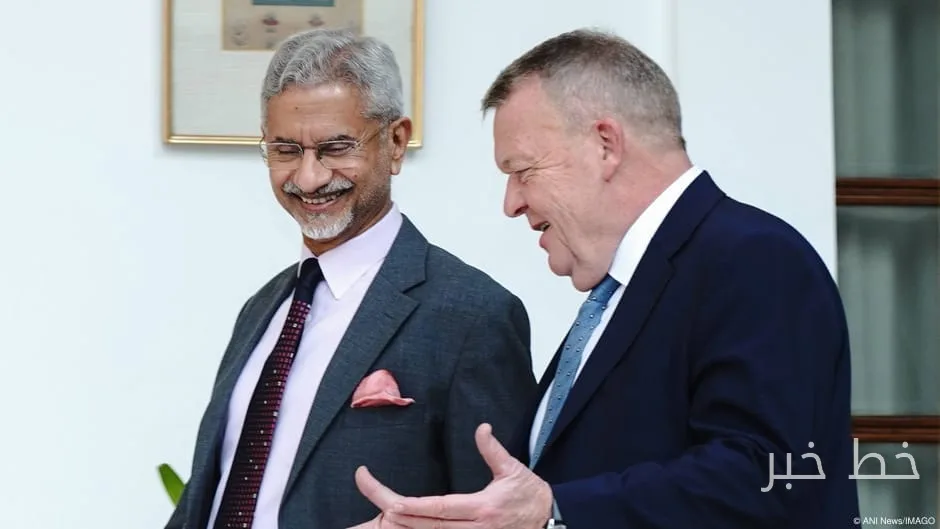
Benjamin Netanyahu, the Prime Minister of Israel, and Gadi Eisenkot, the opposition leader, met on Sunday morning to discuss the formation of a unity government. This meeting comes as Netanyahu's political rivals gradually move towards forming a coalition to oust him from his position.
Netanyahu's Proposal for Power Sharing
During this meeting, Netanyahu proposed to Eisenkot to serve as a substitute prime minister in a shared government. This proposal is seen as a notable move by the prime minister, indicating that he is aware of the risks posed by political threats and the possibility of losing his position. In this meeting, he attempted to reduce existing tensions by garnering support from Eisenkot and other opposition members, aiming to reach a common agreement.
Read more: Adama Barrow has been nominated for a third presidential term in Gambia
Political and Social Implications
The formation of a unity government in Israel could have profound effects on the political landscape of the country. Many analysts believe that such a government could restore greater stability to Israel's political scene while also helping to resolve social and economic crises. However, some observers are skeptical about the feasibility of this proposal and its likelihood of realization, especially given the long-standing tensions and disputes among various parties in Israel.
Overall, the meeting between Netanyahu and Eisenkot can be seen as a sign of new efforts to reduce tensions and advance political dialogue. Currently, many Israeli citizens are seeking practical and sustainable solutions to their economic and social problems, and this meeting could be the first step towards achieving that goal.
Read more: Santiago Abascal joins the national government as the leader of the Spanish right · Greg Stanton and other moderates are looking for candidates