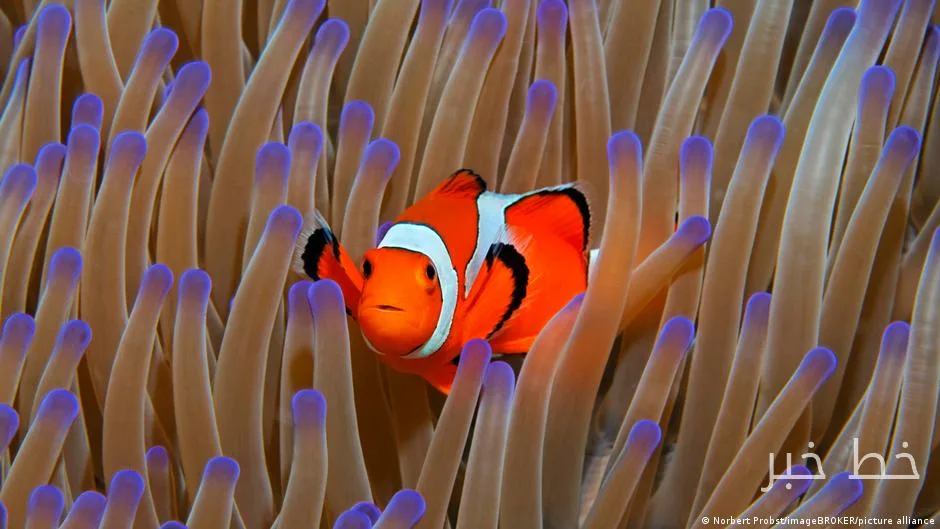
The International Union for Conservation of Nature (IUCN) warned in a report that 96% of the world's shallow coral reefs face severe collapse risks by 2075. This figure was announced in the first systematic survey of 127 tropical and subtropical coral reef systems.
Risks from Climate Change
Shallow coral reefs are vibrant ecosystems that exist at depths of up to 40 meters and are highly biodiverse. Coral reefs in Australia, such as the Great Barrier Reef, the Coral Triangle in the western Pacific Ocean, and Southeast Asia, as well as the Mesoamerican reef system, are among those affected.
Read more: New UN report shows the world is far from the 1.5-degree Paris target
IUCN stated that thermal stress caused by climate change is the biggest threat to coral reefs globally. This organization presented a report at the UN Biodiversity Conference COP17 in Yerevan, Armenia, indicating that temperature changes cause the expulsion of tiny algae from coral tissues, leading to coral bleaching and ultimately their death.
Other Challenges for Reefs
Overfishing, particularly of parrotfish and groupers, is another major threat. These fish help maintain the ecological balance of the reefs. Additionally, coastal development, pollution, tourism, and severe storms also contribute to the degradation of reefs.
When hard corals disappear, their structures are often replaced by algae, gravel, and sponges, which support fewer ecosystems and reduce biodiversity. This issue affects reef fish, shellfish, sea turtles, and sharks.
Opportunity for Action
Mechal Goka, the scientific lead for the IUCN Coral Reef Ecosystems Red List assessment, said: "Future threats from climate change are emerging and severe, posing a very high risk to the survival of these ecosystems." According to the predictions of this study, global warming is expected to reach about 2.7 degrees Celsius above pre-industrial levels by 2100.
Despite the bleak outlook, IUCN stated that most reefs are not yet lost. The organization said: "This is a critical opportunity for action so that we can enhance conservation efforts and climate actions and prevent the worst outcomes."
Gertel Aguilar, the Director General of IUCN, stated that it is not too late to give coral reefs a chance to recover, adding: "We know what is needed: drastic reductions in gas emissions, stronger protection and restoration efforts, and sustainable investment in resilient coastal ecosystems and the communities that depend on them."
Read more: Rescue of a stray cat with its head stuck in a food can in Georgia · Increase in greenhouse gas emissions and global temperatures is a result of Trump's policies