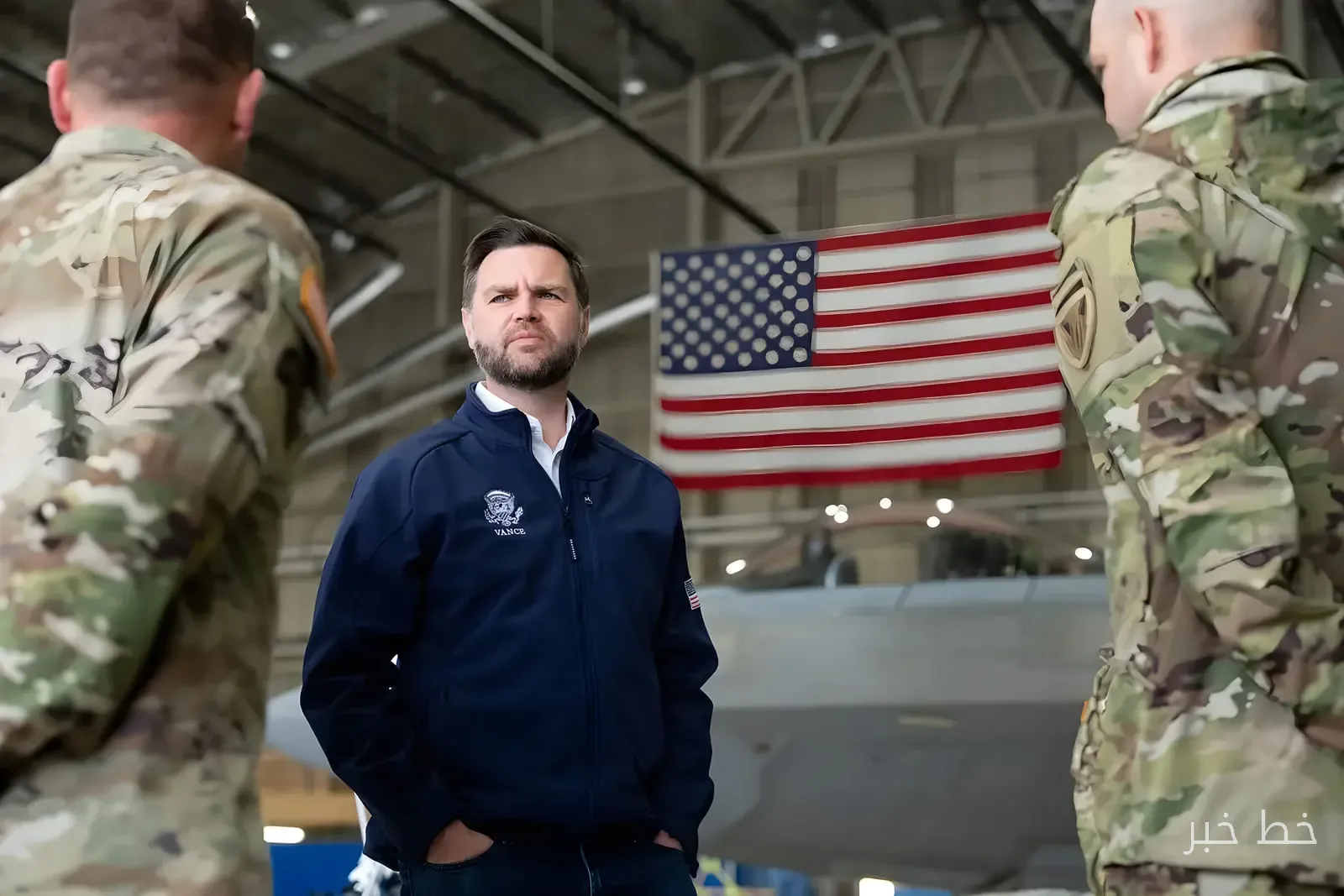
J.D. Vance, the U.S. Vice President, in a letter to Mohsen Rezaei, the Secretary of Iran's Supreme National Security Council, has called for finding a solution to end the endless wars between the two countries. The aim of this letter is to reopen the path for diplomacy and give a final opportunity for negotiation before a possible return to military conflict.
Change in American Tone
As the likelihood of renewed U.S. military attacks on Iran has increased again, Vance sent his letter while Donald Trump has repeatedly spoken about the possibility of new attacks on Iran, and the U.S. government is reviewing its military options. The Wall Street Journal has reported that Vance's letter was sent at Trump's directive, and its purpose was to assess the possibility of reaching a framework for new negotiations.
Read more: Greg Stanton predicted a blue wave is on the way in the upcoming elections
In response to this letter, Mohsen Rezaei pointed to the change in the tone of American officials and stated that Vance's letter is better compared to Trump's previous letter to Ayatollah Khamenei and has softened the harshness of the previous message. Rezaei emphasized that he has received and read the letter but has not yet responded to it.
Increase in U.S. Military Power
This letter was sent at a time when estimates indicate an increase in the volume of U.S. military equipment and capabilities in the region. The U.S. is deploying about 9,000 to 10,000 more troops to the area, and with the arrival of the aircraft carrier "Theodore Roosevelt," the number of U.S. carrier strike groups may reach three. Euronews has reported that the total number of U.S. forces in the region could exceed 60,000.
Thus, Vance's letter should be assessed in the context of two simultaneous events: on one hand, Washington wants to test the last diplomatic opportunity to prevent the return of war, and on the other hand, by strengthening its military presence in the region, it has kept the option of attack ready. The change in the tone of the letter may indicate a willingness to open the path for dialogue, but as long as the disputes over the nuclear issue, maritime blockade, and oil sanctions remain unresolved, it cannot be seen as a sign of the two sides approaching an agreement.
Read more: Researchers examined the unusual relationship between bull and male donkey · Iran's target bank without geographical limits to the heart of Europe