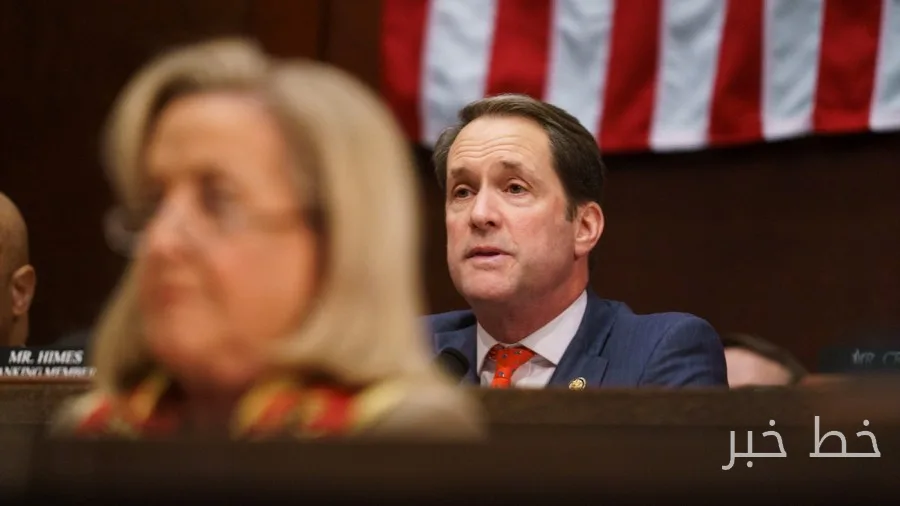
Jim Himes, a Democratic representative from Connecticut and chairman of the House Intelligence Committee, has advised Republicans to extend the country's warrantless surveillance powers at the lame duck session. This request arises amidst differing views from representatives on both sides of the political aisle regarding this issue.
Warrantless Surveillance Powers
Section 702 of the Foreign Intelligence Surveillance Act (FISA) allows the government to surveil foreigners located outside the country. This law is recognized as a tool for gathering national security information and combating terrorism. However, there has been significant criticism from privacy advocacy groups due to the potential violation of citizens' rights and illegal surveillance of Americans.
Read more: Republicans continue to advance Heidi Overton's nomination
Opposition to Extension
Privacy advocates from both political sides, particularly concerning human rights and privacy concerns, are calling for restrictions on the use of these powers. They believe that extending this law without necessary reforms could lead to violations of the fundamental rights of American citizens. This issue has become a political hotbed where various groups are seeking to find a balance between national security and individual rights.
Himes further stated that extending this law in the current circumstances is in the interest of national security and has urged Republicans to pay attention to this matter. He emphasized that these powers are essential for maintaining the country's security and should not be overlooked due to political pressures.
Conclusion
Ultimately, the issue of extending FISA's surveillance powers has become a significant challenge for Congress. Given that the lame duck session provides a brief opportunity to take action, representatives must make decisions that ensure both national security and respect for individual rights. The future of this law remains heavily dependent on the positions of Republicans and Democrats on this matter.
Read more: Witkoff and Kushner sidelined in Abu Dhabi · John Thune re-elected as Senate Republican leader



