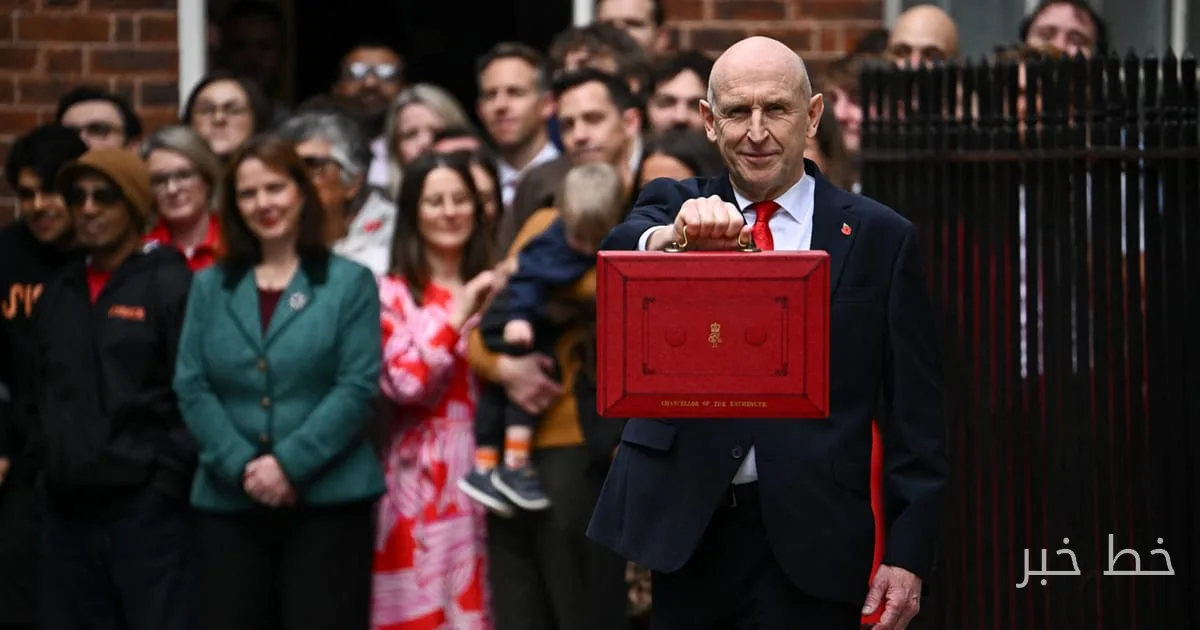
John Healey, the UK Chancellor, in the first budget of Andy Burnham's government, took steps to reduce energy costs and impose new taxes on banks. This action is aimed at alleviating the pressure of living costs on families and businesses.
Energy Allowance for Millions of Households
Healey promised that £100 (approximately $130) would be paid to millions of British households to help cover energy costs this winter. This scheme includes around 20 million households and is set to be directly deposited into people's bank accounts. The total cost of this program amounts to £2.6 billion.
Increase in Taxes on Banks
To secure funding, John Healey increased the tax on bank profits by three percent, bringing the new tax rate to six percent. This increase will be applied for 15 months starting from January. Healey, while referring to the important role of banks in the economy, stated: "We recognize their significant contribution to the economy, but this tax is necessary to finance essential programs."
According to forecasts from the Office for Budget Responsibility, Healey's financial space is expected to decrease to £15 billion by 2029/30, whereas previous forecasts estimated this figure at £24 billion. Healey commented on this: "This is a financial margin. Use it when needed and rebuild it if possible."
Economic Outlook for Britain
The economic outlook for Britain predicts a GDP growth of 1.2 percent this year, an increase from the previous forecast of 1.1 percent, but growth is expected to decline to 1 percent by 2027. Meanwhile, the growth forecast for 2028 returns to 1.6 percent, consistent with previous estimates.
These changes in fiscal and economic policies occur particularly in the context of the war in the Middle East and its impact on living costs in Britain. Healey, referring to the government's reluctance to enter the war, said: "We did not want this war and opposed the opposition leader's calls to enter it. This war has increased costs for British families and businesses."
Read more: Brazil is an unpleasant but necessary trading partner · The German government expects a €4.1 billion increase in tax revenue in 2027