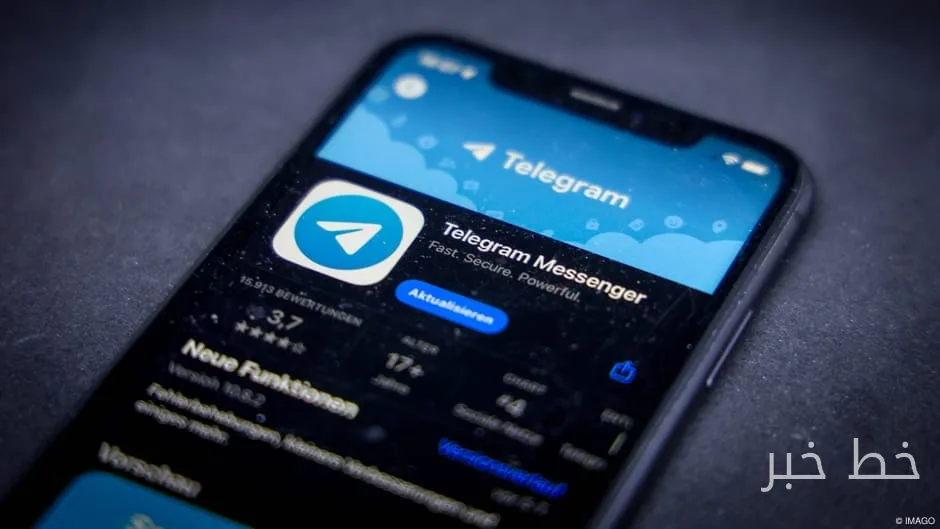
Jordan has decided to ban the Telegram app starting Monday. This decision was made after a deadly attack on a church on October 23 in the Karak province of the country, which resulted in the deaths of seven people and injuries to 34 others.
Purpose of the Telegram Ban
The Public Security Directorate of Jordan announced that this action is aimed at protecting the community from efforts related to the spread of extremism and radicalization. This agency also emphasized that such efforts pose a threat to social security and national interests.
Read more: Israel Kills Senior Hamas Commander in Gaza
This ban comes after Jordan previously banned the TikTok app in December 2022 due to videos that officials claimed promoted "killing and chaos." Jordanian officials seem to be seeking to mitigate the risks posed by social media, which they say may exacerbate violence and extremism.
Consequences of the Church Attack
The attack on the Greek Orthodox church in Karak provoked severe reactions. In response to this attack, Jordan conducted airstrikes in Syria and announced that it had killed 20 so-called "Islamic State" militants. The Jordanian government also confirmed that several civilians had lost their lives in these airstrikes.
On Sunday, a Jordanian court sentenced three men to death by hanging. These individuals were identified as "followers of a radical Islamic ideology." Attacks on Christian minorities in Jordan are very rare, and the country is recognized as a relatively stable nation in the Middle East, maintaining close diplomatic and military relations with the United States and Israel.
Christians make up about 3 percent of Jordan's 10 million population, and the country is home to one of the oldest Christian communities in the world. In recent years, extremist groups such as the "Islamic State" have used Telegram for propaganda and communication purposes.
Pavel Durov, a Russian billionaire and founder of the Telegram app, launched the app in 2013 along with his brother Nikolai. In July, Russia accused him of "aiding terrorist activities" and claimed that the platform provided tools for coordinating deadly attacks and sabotage across Russia. Durov has denied these accusations, arguing that Telegram has gone beyond its obligations regarding content moderation and has assisted authorities in combating crime.